Dreaming about life near the Yellowstone River in Paradise Valley? It is easy to picture the views, the open sky, and the quick access to the water. But river-adjacent living near Livingston also comes with practical details that can shape your day-to-day experience, from seasonal river changes to public recreation patterns and property-specific due diligence. If you are thinking about buying in this stretch of Park County, here is what to expect and what to look into before you make a move. Let’s dive in.
Paradise Valley feels different by location
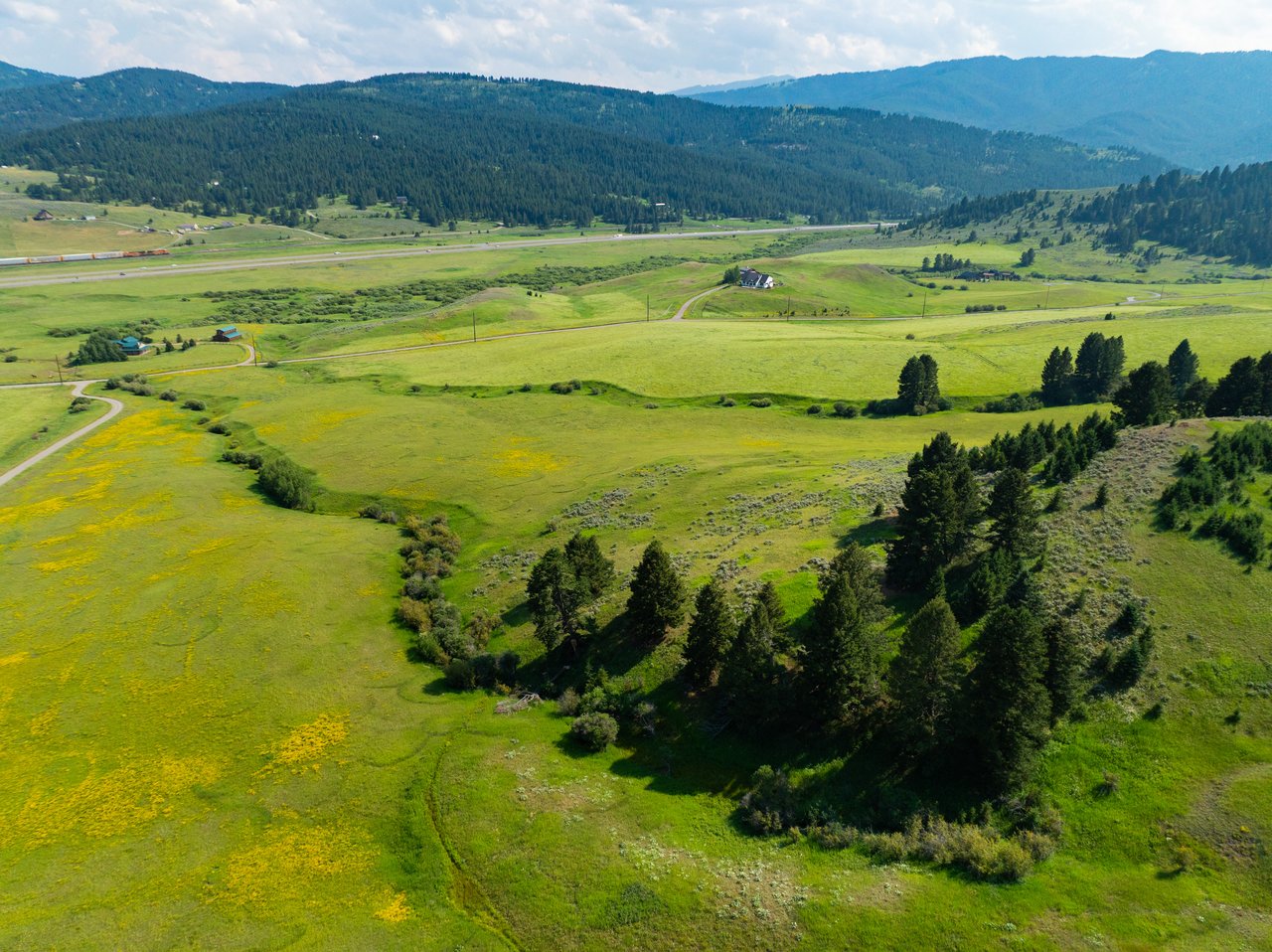
Paradise Valley follows the Yellowstone River corridor along US 89 between Gardiner and the Livingston area. It is not one single, uniform setting. The valley narrows as it approaches Livingston near Carter’s Bridge, which means the feel of a river-adjacent parcel can change a lot depending on where you are.
In one stretch, you may find broad views and a more open valley feel. In another, you may notice a tighter relationship between the river, the road, and nearby parcels. That is why it helps to evaluate each property on its own terms instead of assuming every river-adjacent home in Paradise Valley offers the same experience.
Yellowstone River access shapes daily life
The Yellowstone River is the longest undammed river in the contiguous United States, and it plays a major role in how this area lives and feels. For many buyers, that means easy access to fishing, floating, wildlife viewing, and time outdoors. It also means the corridor is active, especially during popular recreation seasons.
Montana Fish, Wildlife & Parks maintains public access sites near Livingston, including Jim Posewitz Free River Fishing Access Site about 2.5 miles south of Livingston and Dan Bailey Fishing Access Site about 9 miles south of Livingston. Jim Posewitz is walk-in only, while Dan Bailey includes camping. Those differences matter because the level and type of public use can affect traffic, noise, and how private a nearby property feels at certain times of year.
Recreation is part of the lifestyle
Public access is one of the reasons people love this part of Montana. Nearby sites support angling, boating, rafting, hiking, bird watching, picnicking, and wildlife viewing. The Bureau of Land Management also describes Carbella Recreation Site in Paradise Valley as one of the most heavily used facilities along this stretch of the Yellowstone.
That does not mean every river-adjacent property feels busy. It does mean you should expect periodic public activity in the broader corridor, even when a home feels tucked away. If privacy is high on your list, it is smart to think about how close a property sits to a fishing access site, launch area, or well-used recreation point.
River traffic has increased
According to Montana FWP’s upper Yellowstone management planning, boat use on the Yellowstone has increased in recent years. Recreational use by nonanglers has also been rising, and fishing access site use increased sharply during the COVID era.
For you as a buyer, the takeaway is simple. A river-adjacent address can offer an amazing outdoor lifestyle, but properties closer to public access may be more likely to experience seasonal traffic and bursts of activity. A more set-back parcel may offer a different balance of access and quiet.
Seasonal changes are part of the package
Living near a river means living with change through the year. In Paradise Valley, the Yellowstone does not look or behave the same in spring, summer, and beyond. That seasonal rhythm is a normal part of owning or considering property along the corridor.
Spring can bring flood awareness
The Montana Department of Natural Resources and Conservation says spring snowmelt and river ice breakup can create unpredictable flooding. Spring and early summer storms can add to that risk. DNRC also advises homeowners near rivers or streams to have a flood evacuation plan.
That guidance is especially important in this area. Montana FWP notes that the upper Yellowstone experienced a historic flood event in June 2022, and recovery is still ongoing. If you are considering a river-adjacent home, this is not a detail to gloss over. It should be part of your planning from the start.
Late summer can feel different
FWP also reports that summer water temperatures have increased and late-summer flows have decreased in the upper Yellowstone. Water-quality issues in the drainage are tied mainly to the irrigation season and warming associated with low flows.
In everyday terms, that means the river’s character can shift noticeably by season. Spring may feel high-water and flood-aware, while late summer may feel lower, warmer, and more exposed along certain banks. That is useful context when you are judging views, access, or river proximity during a single showing.
Floodplain questions should come first
One of the biggest mistakes buyers can make with river-adjacent property is relying on general impressions instead of site-specific facts. A beautiful setting does not tell you whether a parcel sits in a floodplain, whether insurance may be needed, or how future improvements could be affected.
DNRC frames floodplain management around mapping, permitting, insurance, and mitigation. That makes a strong case for starting your due diligence with targeted questions. Before you get too far into the process, confirm the property’s floodplain status and ask what that means for current use and future plans.
Flood insurance may be separate
DNRC says most homeowner policies do not cover flood damage. It also states that flood insurance is available in most parts of Montana through the National Flood Insurance Program, and that private flood insurance may also be available.
Timing matters too. FloodSmart notes that coverage generally takes effect 30 days after purchase. It also notes that flood insurance does not cover some items and structures outside the insured building, including landscaping, septic systems, decks, patios, and fences. If you are weighing a river-adjacent purchase, those details can affect both your budget and your risk planning.
River movement matters too
Flooding is only one part of the picture. The Yellowstone is a working river, and channels can move over time. That is why channel migration is an important part of evaluating land near the river.
The Montana State Library’s 2024 Yellowstone River channel migration data is designed to identify areas likely to be affected by channel movement. The library explains that rivers can move laterally and can avulse across floodplains. It also identifies a Historic Migration Zone for previously occupied channel areas and an Erosion Hazard Area for places with moderate to high risk of channel occupation over the next 100 years.
Use maps as a starting point
This mapping is a broad screening tool, not a substitute for site-specific legal, engineering, or surveying work. Still, it is a very useful first step. If a parcel is near mapped migration areas, that should prompt more questions before you move forward.
For many buyers, this is one of the most important practical realities of river-adjacent living in Paradise Valley. The beauty is real, but so is the need to understand how the land and river may interact over time.
Park County rules are part of due diligence
For property in the Paradise Valley area of Park County, county-level review matters. Park County’s Compliance Office enforces onsite wastewater treatment regulations, floodplain hazard management regulations, subdivision regulations, and zoning. It also specifically lists a Paradise Valley District.
That means questions about septic, setbacks, floodplain requirements, and parcel access should be part of your evaluation early on. These are not side issues on river-adjacent land. They can directly affect how you use the property now and what may be possible later.
What buyers should verify early
When you are comparing river-adjacent properties near Livingston, a clear checklist can help you stay grounded. It is easy to get caught up in views and river frontage, so practical review matters.
Here are some of the first things to verify:
- Floodplain status for the specific parcel
- Flood insurance options and timing
- Channel migration zone and erosion hazard mapping
- Septic and onsite wastewater requirements through Park County
- Access details and proximity to public recreation sites
- How the property feels in relation to US 89, nearby parcels, and seasonal use patterns
A thoughtful review up front can save you time, stress, and surprises later.
The lifestyle is real, but so is the homework
River-adjacent living in Paradise Valley can be exceptional. You may enjoy direct connection to one of Montana’s most iconic landscapes, a strong outdoor lifestyle, and a setting that feels distinctly tied to the Yellowstone River. At the same time, the best experience usually comes from understanding the details behind the scenery.
If you are considering a purchase near Livingston, the goal is not to avoid river property. The goal is to match the right property with your priorities, comfort level, and plans for use. With the right guidance and careful due diligence, you can make a much more confident decision.
If you want a local, thoughtful perspective on buying in Paradise Valley or the greater Big Sky Country market, schedule a consultation with Courtney King.
FAQs
What does river-adjacent living in Paradise Valley near Livingston feel like?
- It can vary a lot by location, with some stretches offering broad open valley views and others feeling narrower and more influenced by the road and nearby activity.
What public river access exists near Livingston in Paradise Valley?
- Montana FWP lists Jim Posewitz Free River Fishing Access Site about 2.5 miles south of Livingston and Dan Bailey Fishing Access Site about 9 miles south, with Dan Bailey including camping.
What seasonal river issues should buyers expect near the Yellowstone River?
- Spring can bring flood awareness due to snowmelt, storms, and river ice breakup, while late summer can bring lower and warmer river conditions.
What should buyers check before purchasing river-adjacent property in Park County?
- Buyers should verify floodplain status, insurance timing and coverage, channel migration mapping, septic and wastewater rules, and county floodplain or zoning requirements.
Does standard homeowners insurance cover flooding in Paradise Valley?
- No, DNRC says most homeowner policies do not cover flood damage, so buyers should review separate flood insurance options early in the process.
Why does channel migration matter for Yellowstone River properties?
- The river can move laterally or shift across the floodplain over time, which can affect land stability and long-term property planning.