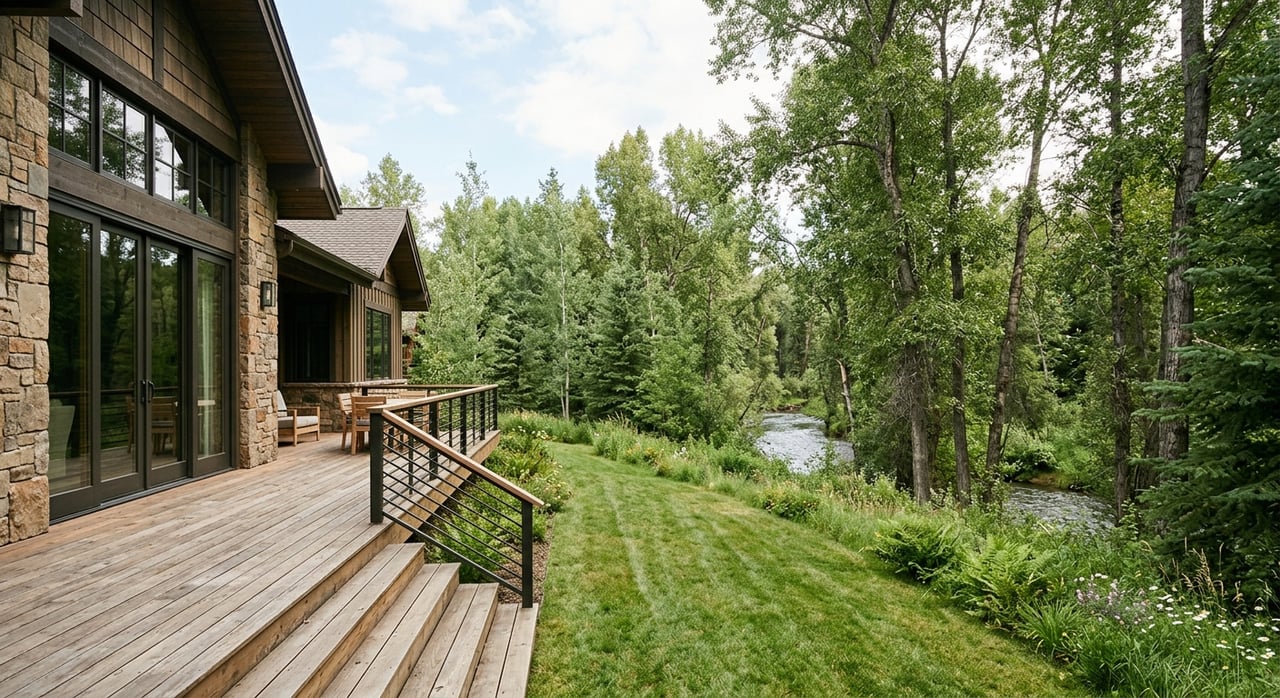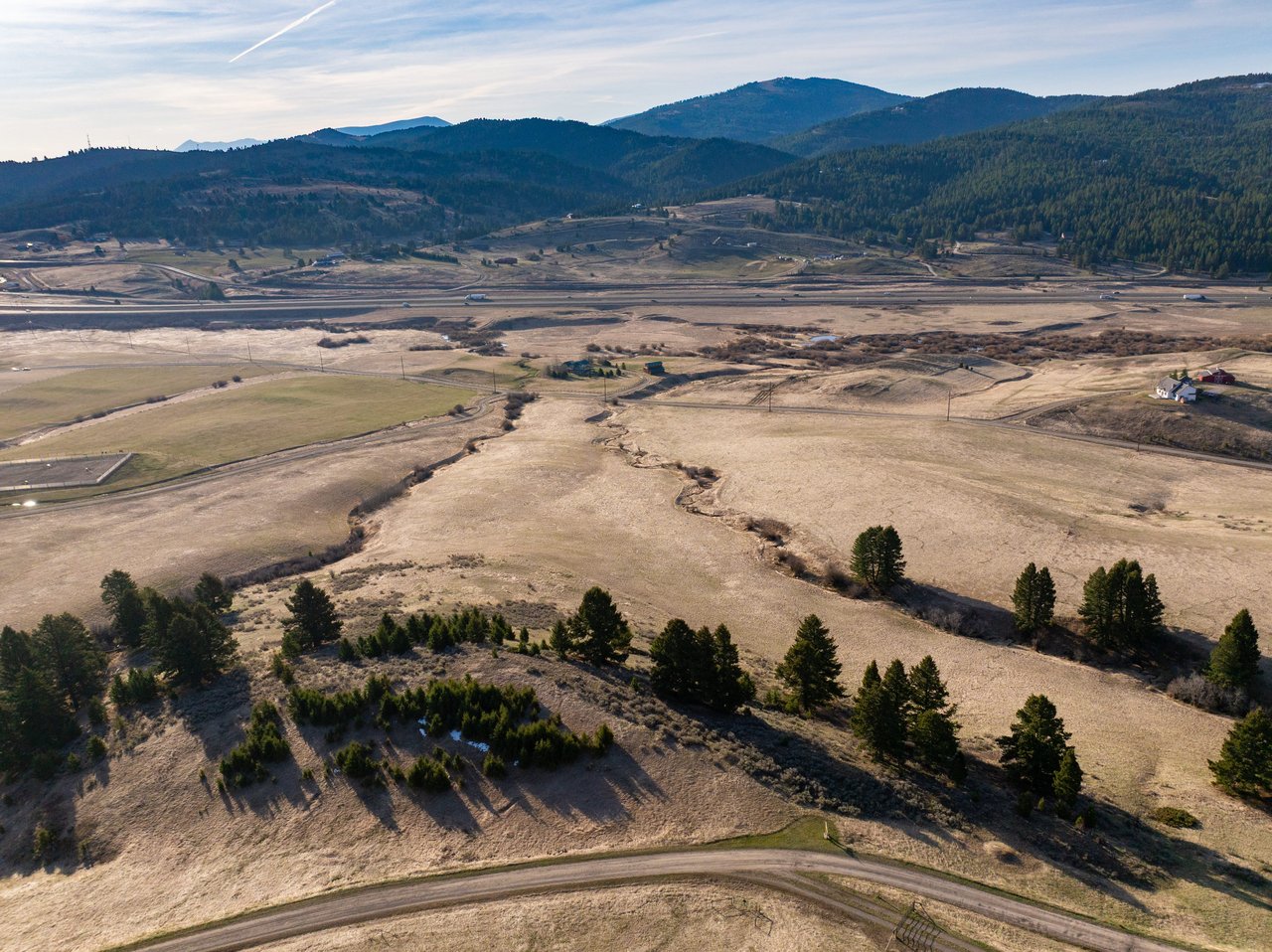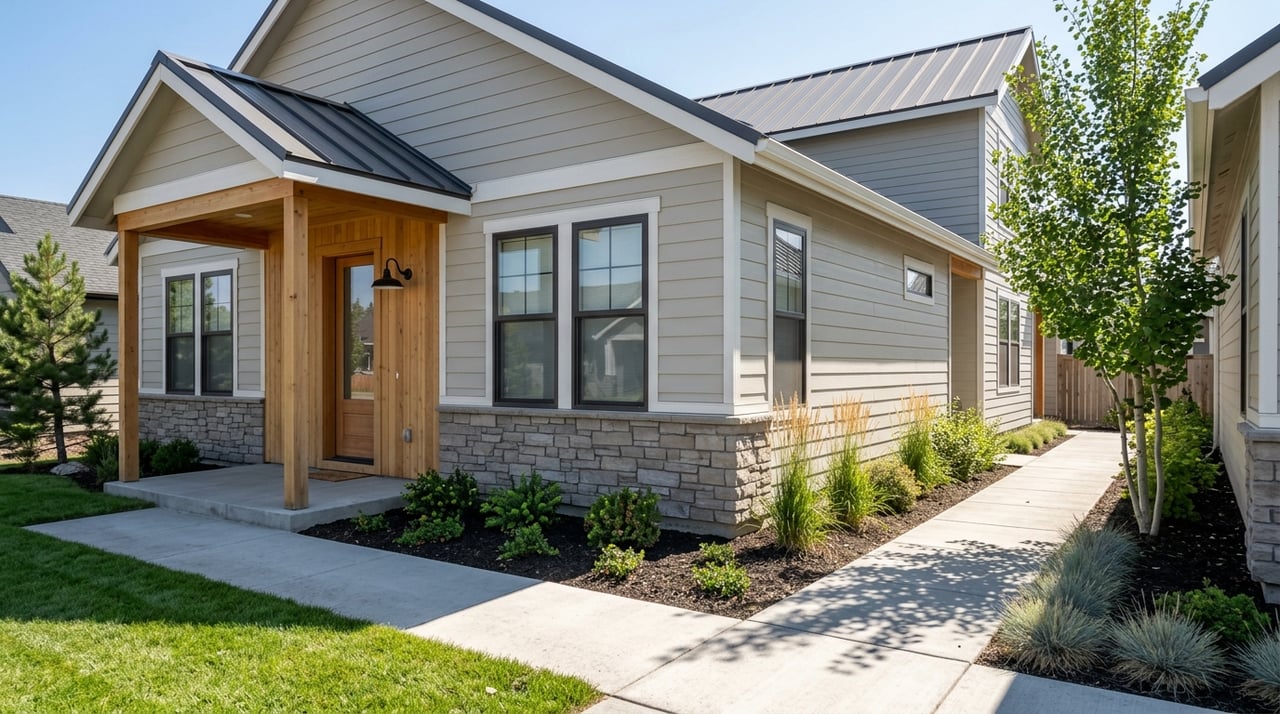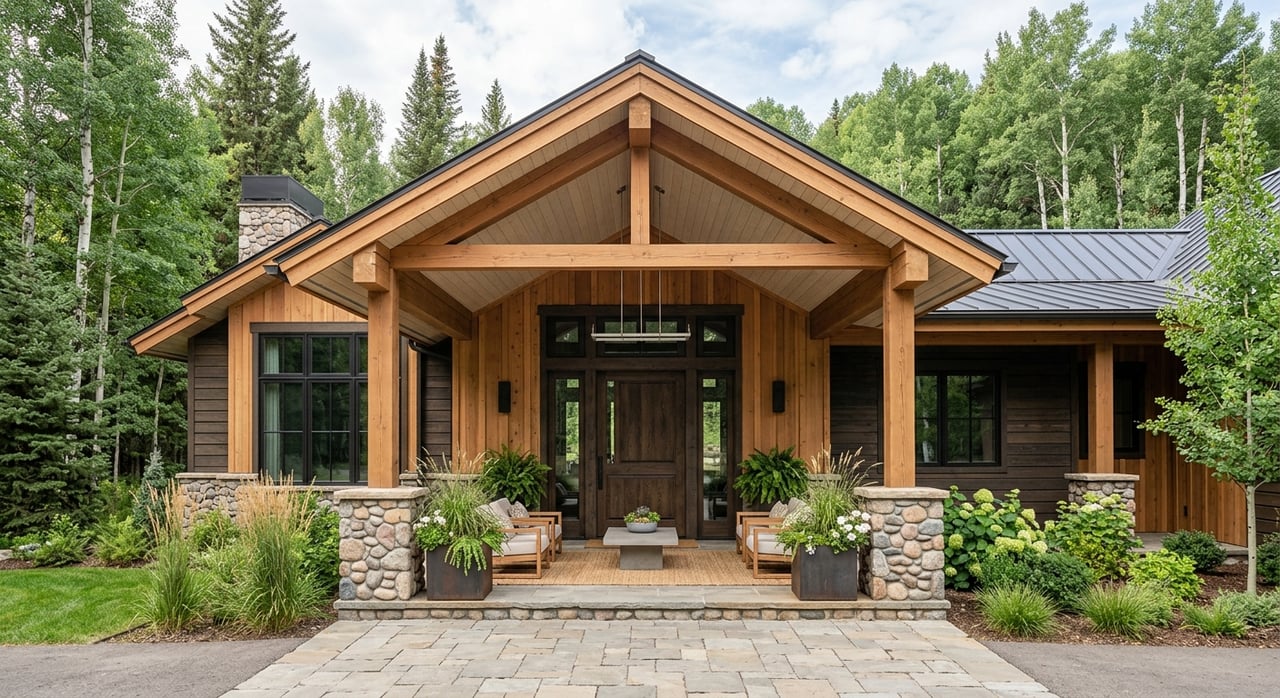
What makes a buyer fall in love with a property in Livingston or Paradise Valley? It is rarely just square footage or a price per acre. In this part of Montana, buyers are often drawn to river access, mountain views, privacy, and a slower way of living. If you are preparing to sell a ranch, retreat, or view property here, the right strategy can help you present that lifestyle clearly, honestly, and to the right audience. Let’s dive in.
Why lifestyle marketing matters here
Livingston and Park County are relatively small markets. The U.S. Census Bureau estimates Livingston’s population at 9,021 in 2024 and Park County’s population at 18,074. For sellers of distinctive homes, that usually means your ideal buyer may come from outside the immediate area.
That matters even more for properties in Paradise Valley, along the Yellowstone River, or on larger acreage. These homes often appeal to buyers looking for a second home, a retreat, more outdoor space, or a quieter setting. In other words, you are not just selling a house. You are selling how the property fits into a Montana lifestyle.
Livingston’s visitor materials highlight exactly what draws attention here: the Yellowstone River, a historic downtown, arts and outdoor recreation, scenic floats, rafting, hiking, horseback riding, and nearby skiing. Paradise Valley is framed by the Absaroka and Gallatin ranges and stretches south toward Yellowstone National Park. Those features shape buyer interest, but they need to be presented with care and accuracy.
Start with a clear market position
Before you market the story, you need a realistic price and positioning plan. Redfin reported Livingston’s median sale price at $438,737 in May 2026, down 16.4% year over year, with a median 59 days on market. Park County’s median sale price was $597,000, down 11.5% year over year.
At the same time, the broader area shows a wide range of values. Nearby listing data pointed to average prices around $1.625 million in Pray and about $1.7345 million in Emigrant. That spread is a good reminder that lifestyle properties are not one-size-fits-all. A home in town, a river-adjacent retreat, and a high-end acreage property may all attract very different buyers.
This is where careful pricing matters. Buyers in this segment often compare not only square footage and finishes, but also setting, access, views, privacy, and land features. A strong pricing strategy should account for both the home itself and the lifestyle assets that set it apart.
Know what today’s buyers want
Many buyers searching for homes like these are making lifestyle-driven moves. According to NAR’s 2024 Migration Trends report, 36% of Realtors’ recent clients moved to a different state, and 94% made a permanent move. The top reasons for choosing an area were being closer to family and friends and getting more home for the money.
When buyers chose a property, the top reasons were outdoor space, more square footage, and a quieter area. The same report found that 43% of clients said job location did not matter because they worked remotely. That helps explain why Livingston and Paradise Valley can be so appealing to buyers who have flexibility and are prioritizing space, scenery, and daily quality of life.
For sellers, that means your marketing should speak to what a buyer can actually experience there. If your property offers room to spread out, places to gather, views from the porch, or easy access to recreation, those details deserve thoughtful attention in the listing presentation.
Tell the lifestyle story without overpromising
Lifestyle marketing works best when it is vivid and factual. Buyers respond to a strong sense of place, but they also need clarity. The goal is to help them imagine daily life on the property while staying grounded in what the home truly offers.
For example, access is often part of the story for out-of-area buyers. Livingston’s visitor information says the town is about an hour’s drive from Bozeman Yellowstone International Airport, while Park County identifies Mission Field Airport as the local general aviation airport and BZN as the nearest commercial airport. That is useful context for buyers traveling in from other parts of Montana or from out of state.
If the property is near the Yellowstone River, you can highlight the area’s recreation appeal without overstating private use rights. If the home has mountain views, open acreage, horse facilities, or guest accommodations, those features should be described specifically and accurately. Good marketing builds trust because it shows the property honestly, not because it stretches the story.
Prioritize visuals that answer buyer questions
Most buyers start online, and that matters even more for a niche property. NAR’s 2024 Home Buyers and Sellers Generational Trends report found that 41% of buyers began their search online, and 52% found the home they purchased through the internet. Among internet users, the most useful listing features were photos, detailed property information, floor plans, and virtual tours.
That tells you where to focus first. Buyers need more than a few attractive images. They want to understand the layout, the land, the setting, and how the home lives.
Visuals to capture first
- Wide exterior shots that show the home in its setting
- View photography from key outdoor spaces
- Interior photos that show scale, light, and flow
- Floor plans that help buyers understand layout
- Virtual tours for out-of-area buyers
- Images of practical features like barns, shops, guest quarters, fenced areas, or river frontage when applicable
For lifestyle properties, visuals should answer both emotional and practical questions. Can you see the mountains from the great room? How far does the usable land extend? Is the outdoor living space private? Does the property feel turnkey or like a project? The best listing media helps buyers understand those answers quickly.
Use staging to highlight strengths
Staging can make a meaningful difference, especially online. NAR’s 2025 Profile of Home Staging found that 83% of buyers’ agents said staging makes it easier for buyers to visualize a home. A separate NAR resource also notes that staging is about highlighting strengths and helping buyers picture themselves in the property, not remodeling it.
That is especially useful in Livingston and Paradise Valley, where many buyers are shopping from a distance. A well-prepared home feels easier to understand in photos and video, which can increase interest before a showing is ever scheduled.
Focus your preparation on these areas
- Entry and first-impression spaces
- Great rooms with views or fireplaces
- Kitchens and dining spaces used for gathering
- Primary suites with natural light or outdoor access
- Porches, decks, patios, and other outdoor living areas
- Functional spaces tied to the property’s use, such as mudrooms, gear storage, tack rooms, or workshops
Keep the look clean, bright, and realistic. If photos are edited, they should still reflect the property truthfully. Buyers need to trust that what they see online matches what they will find in person.
Gather documents early
One of the smartest steps you can take before listing is organizing property records. This can save time, reduce surprises, and help buyers feel more confident when they evaluate a rural or high-value property.
Montana law requires sellers to disclose adverse material facts they actually know. The statute specifically includes issues related to water service or source, wastewater treatment, utility connections, wells, septic systems, water intrusion, structural issues, unpermitted additions, hazardous materials, and soil or drainage problems.
For a lifestyle property, that means buyers may ask detailed questions early in the process. If you are ready with clear information, your property is often easier to market and negotiate.
Documents worth gathering before listing
- Existing well and water system information
- Septic or wastewater records
- Utility details and service information
- Records of repairs or known structural issues
- Information about unpermitted additions, if any
- Surveys, legal descriptions, or parcel maps
- Water-rights documentation, if applicable
Having these materials ready does not just support disclosure. It also helps serious buyers move from curiosity to confidence.
Pay close attention to water rights
In Montana, water rights can add an extra layer of review, especially for acreage, irrigated land, or river-adjacent property. State law requires the realty transfer certificate to disclose whether water rights are associated with the property and whether they will transfer. The Montana DNRC also explains that a well log does not, by itself, create a water right.
If your property includes irrigation, stock water, historic water use, or any claimed water rights, it is wise to gather documentation early. Buyers in this segment often look closely at land use, water reliability, and what will convey with the sale. Clear records can help avoid confusion later.
Describe river access accurately
Riverfront and river-near properties often generate strong interest, but they also require careful language. Montana’s Stream Access Law allows the public to use rivers and streams for recreation up to the ordinary high-water mark. At the same time, the public may not enter posted lands or cross private land to reach the stream.
That is important when marketing fishing, floating, or Yellowstone River frontage. You want to describe the property’s location and legal access accurately, without implying rights that do not exist. This protects both your credibility and the buyer’s expectations.
Consider subdivision questions before listing
Some sellers wonder whether splitting acreage could improve value before a sale. In Park County, that decision can involve added time and process. The county planning department requires a written request for a pre-application meeting under the Montana Subdivision and Platting Act and local subdivision regulations.
If your land has possible split potential, that may still be worth exploring. But it should be discussed early, with a clear understanding of the county’s process, timelines, and property-specific constraints. In many cases, buyers will also want to know whether subdivision has been researched, started, or approved.
Reach beyond the local buyer pool
Because this is a small market, broad exposure matters. NAR notes that the resort and second-home segment can include luxury buyers, retirement buyers, investment-minded buyers, and international clientele. That fits the profile of many lifestyle properties in and around Livingston and Paradise Valley.
A strong marketing plan should be designed for both local and out-of-area discovery. That means polished digital presentation, detailed listing information, and responsive communication once buyers engage. Buyers also say they value agents who help them understand the process, point out important property features, and stay in close contact by phone and text.
For a seller, this is where experience and reach matter. When your home appeals to buyers seeking a Montana lifestyle, the goal is to pair a local understanding of the property with marketing that travels well beyond the valley.
Selling well takes both story and detail
The best sales in Livingston and Paradise Valley usually come from a balanced approach. You want marketing that captures the feeling of the property, but you also need solid pricing, strong visuals, clean disclosures, and prompt answers to practical questions.
That combination is what helps distinctive properties stand out. When buyers can clearly see the lifestyle, understand the facts, and trust the presentation, they are in a much better position to act.
If you are thinking about selling a lifestyle property in Livingston or Paradise Valley, working with a local advisor who understands acreage, second-home appeal, and premium exposure can make the process smoother from day one. To talk through pricing, preparation, and a marketing plan tailored to your property, connect with Courtney King.
FAQs
How should you market a lifestyle property in Livingston or Paradise Valley?
- Focus on both the property and the setting, using accurate descriptions, strong visuals, detailed property information, and a strategy that reaches out-of-area buyers.
What photos matter most when selling a ranch or retreat in Park County?
- The most important images usually show the home in its setting, key views, main living spaces, outdoor gathering areas, and practical land or outbuilding features that support the property’s use.
What should you disclose when selling a rural property in Montana?
- Montana law requires sellers to disclose adverse material facts they actually know, including issues involving water, wells, septic systems, utilities, structural concerns, water intrusion, drainage, hazardous materials, and unpermitted additions.
Why do out-of-area buyers look at Livingston and Paradise Valley properties?
- Many buyers are seeking outdoor space, privacy, a quieter setting, and a lifestyle-driven move, and this area offers access to recreation, scenery, and regional airport connections.
When do water rights affect a property sale in Montana?
- Water rights deserve early attention when a property includes acreage, irrigation, river adjacency, or other water-related uses, since transfer details must be disclosed and supporting records can be important to buyers.
Can you advertise Yellowstone River access with a riverfront property in Montana?
- You can describe river frontage and legal access accurately, but marketing should reflect Montana’s stream access rules and should not imply private rights that do not exist.