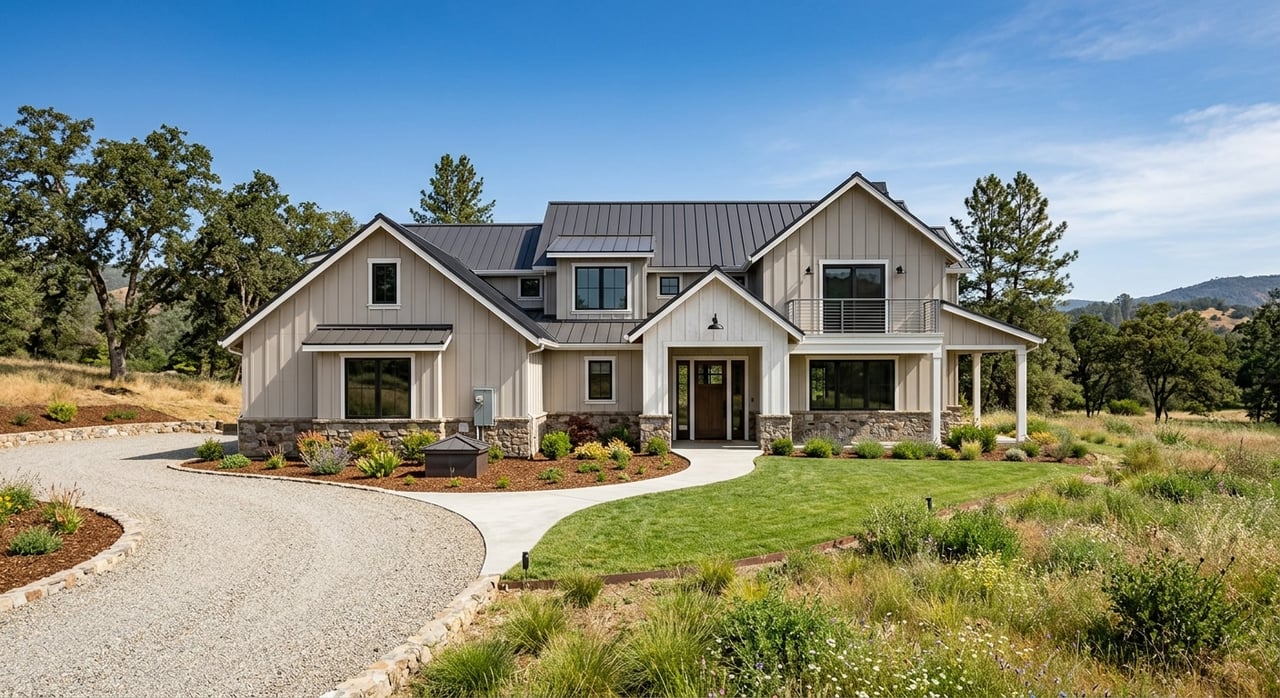
If you are dreaming about building near Three Forks, the land itself may shape your plans as much as your floor plan does. It is exciting to picture the finished home, but before you get there, you need to know what the lot allows, which permits apply, and where extra costs can show up. With the right prep, you can move forward with more confidence and fewer surprises. Let’s dive in.
Why building near Three Forks takes planning
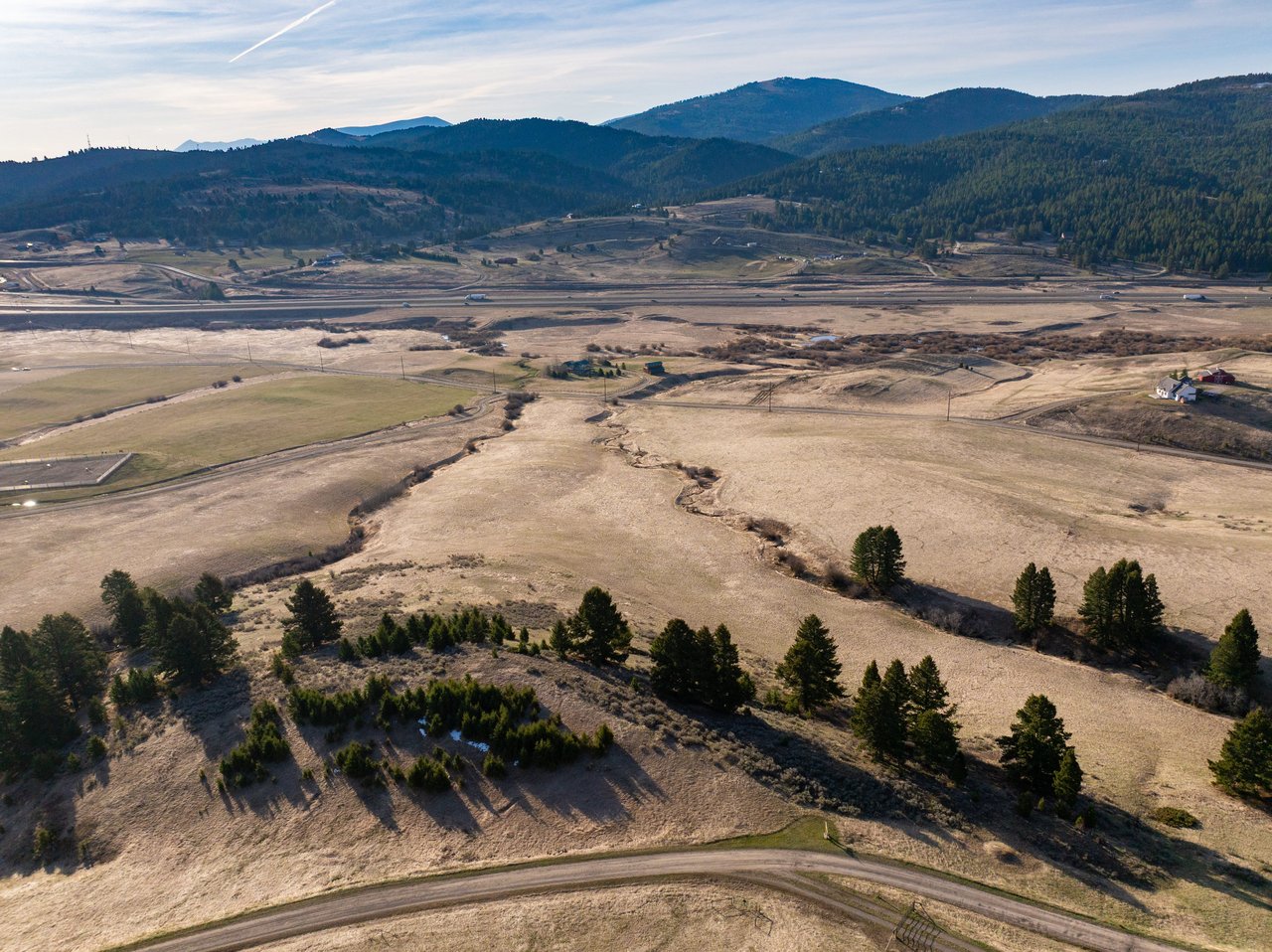
A home build near Three Forks is often part design project and part land review project. Before construction starts, you may need to confirm zoning, access, wastewater treatment, utility options, floodplain status, and any recorded covenants or easements.
That is especially important because a parcel can fall under different rules depending on where it sits. Some properties are inside Three Forks city limits, some are in the city’s 1-mile zoning jurisdiction, and others are regulated by Gallatin County.
Start with jurisdiction first
One of the first questions to answer is simple: who governs the property? That answer affects the permit path, timeline, and what rules apply to your build.
The City of Three Forks oversees parcels in city limits and its 1-mile zoning jurisdiction. Gallatin County directs buyers to use its zoning map and district regulations to confirm setbacks, height limits, density, accessory structures, permitted uses, and conditional uses.
If you skip this step, you can waste time designing a home that does not fit the lot’s actual requirements. Getting clear on jurisdiction early helps you and your builder plan around the right standards from day one.
Review title documents before design
Before you finalize a house design, Gallatin County recommends reviewing the deed, plat or survey, easements, county-enforced covenants, and other legal documents tied to the property. These records can affect where you can place the home, driveway, utilities, and other improvements.
They can also flag issues that are easy to miss at first glance. For example, documents may reference irrigation infrastructure, adjacent uses, wildlife considerations, or emergency preparedness factors that change how you use the site.
This is one reason a recorded lot is not always the same thing as a build-ready lot. You want to understand the legal and physical limits of the parcel before committing to plans.
Know the biggest site constraints early
In the Three Forks area, the hidden complexity is often in the site work, not just the house itself. Access, septic, wells, utility connections, and drainage can all affect cost and timing.
Gallatin County specifically flags floodplain, road access, sewer or septic, water-right, and covenant issues as common secondary approvals. In practical terms, that means your lot may need more than one green light before construction can begin.
Access and driveway approvals
Access is a major due-diligence item for rural and edge-of-town parcels. Gallatin County asks applicants to show driveways, parking, easements, and adjacent roads on the site plan, and the property must be staked for staff inspection.
If your project connects to a county-maintained road or a state highway, additional approvals may be needed. For connections to the state highway system, the Montana Department of Transportation reviews access, traffic, drainage, environmental effects, and mitigation through its access review process.
Water and sewer options
If your property is in town, the City of Three Forks provides water and sewer service. Gas and electric service is provided by Northwestern Energy.
For new city water or sewer connections, the city charges impact fees when the zoning permit is issued. Property owners are also responsible for the pipes, fittings, and connections on their property and from the property to the city mains.
Septic approvals for rural parcels
If the home will use on-site septic, Gallatin County requires an approved septic permit from the Gallatin City-County Health Department before you submit for a Land Use Permit. If the parcel uses a community sewer system, the county wants approval to connect and, when applicable, subdivision approval documents.
That makes wastewater one of the first technical items to solve. On many parcels, you cannot treat it as a later step.
Well and water-right questions
If your build depends on a new well, water rights matter. The Montana Department of Natural Resources and Conservation says most new uses of water after June 30, 1973 need a water right.
Starting January 1, 2026, users who plan to develop water use through a permit exception must file a Notice of Intent before using water from an exempt well. Complete notices are reviewed within 10 business days.
Floodplain and creek concerns
Floodplain review is another local issue to check early. The City of Three Forks says many parcels within city limits are in mapped floodplain areas, and floodplain development permits are required before construction or other manmade improvements in those areas.
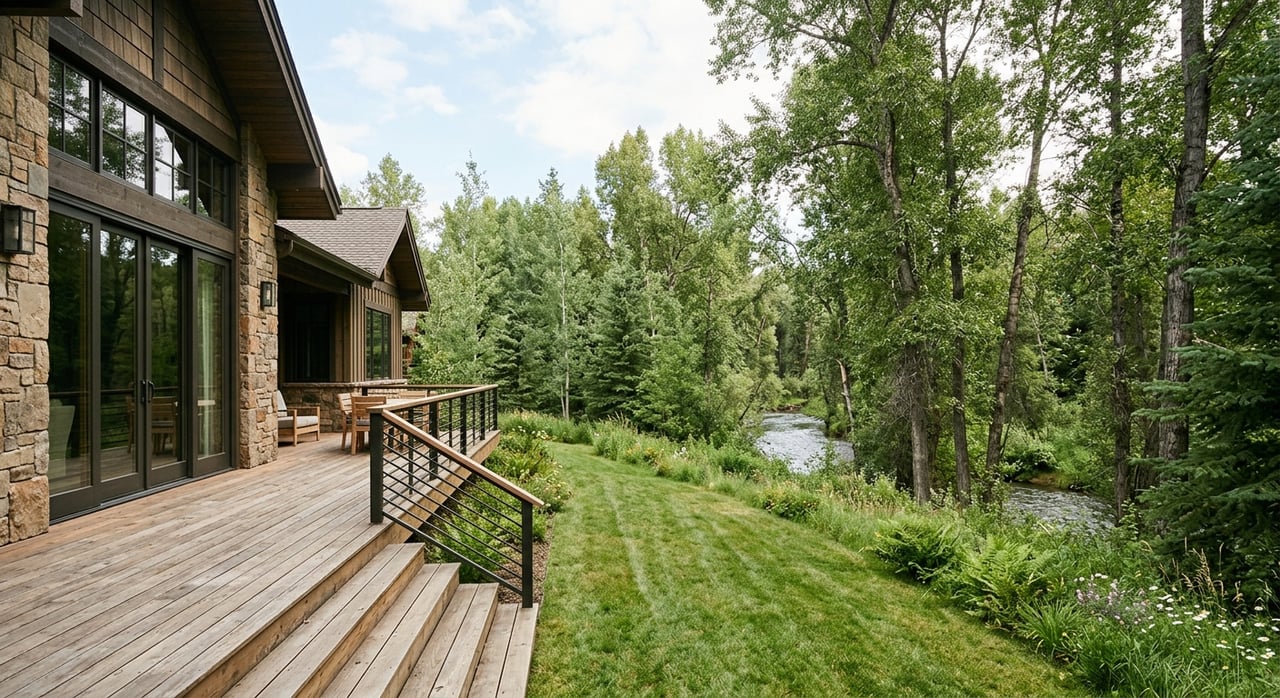
If the lot is near a creek, river, or spring, additional review may apply. In Gallatin County outside the older Bozeman and Belgrade city limits, the Gallatin Conservation District administers the 310 permit program for projects that may physically alter the bed or banks of a perennial stream, river, or spring.
Understand the permit sequence
A smooth build usually starts with the right order of operations. In this area, permitting is not something to leave until the last minute.
For county-zoned parcels, Land Use Permit approval is a key first step. Gallatin County says applications are submitted online through MyGov, review times vary by season, and you should allow at least four weeks for staff review.
The county also says construction should not begin until the permit is approved. After-the-fact applications can trigger doubled fees, which makes early planning well worth it.
What a county permit package may include
A county Land Use Permit package typically includes:
- A site plan
- Elevations
- Floor plans
- Wastewater approvals
- Any applicable floodplain documentation
- Any applicable right-of-way documentation
- HOA or covenant documentation, if required
The county checklist also asks for property corners and proposed structure corners to be staked before site inspection. That detail matters because incomplete prep can slow the process.
When city zoning permits apply
If the parcel is inside city limits or the city’s zoning jurisdiction, Three Forks requires zoning permits before a building or structure is erected, moved in, or added to. The city also notes that zoning board applications generally must be received by the last Friday of the month to be heard at the next available meeting.
That deadline can affect your timeline more than you might expect. Missing a meeting cycle may push decisions back by weeks.
The city’s fee schedule lists residential zoning permits at $200, accessory dwelling units at $250, garages or additions at $100, and decks, sheds, and carports at $50. After-the-fact permits are charged at higher rates.
State building permits may still apply
Montana state permits may also be part of your build. The Montana Department of Labor and Industry says a state building permit is required before starting construction on certain new buildings, and that building permits must be issued before plumbing, mechanical, or electrical permits can be issued.
Plan review can take anywhere from a few hours to several weeks. If a design is more complicated, the building official can require a licensed engineer or architect.
Budget for more than the house
When buyers think about building costs, they often focus on square footage and finishes. Near Three Forks, you also want to budget for the land and all the prep work needed to make the site ready.
A realistic budget may include:
- Land acquisition
- Survey or title work
- Zoning or Land Use Permit fees
- Septic or sewer approvals
- Well or water-right work
- Driveway and road access
- Utility connections
- Floodplain or stream permits
- Grading and foundation work
- Shell construction
- Interior finishes
- Landscaping or erosion control
- Contingency funds
If you are connecting to city water or sewer, early costs may also include impact fees, a new-connection application fee, possible asphalt replacement if a paved street is cut, and reimbursable parts such as valves, saddles, bolts, curbstops, and meters.
For broad context, NAHB’s 2024 cost survey found that the average sales price of a newly built single-family home consisted of 64.4% construction costs and 13.7% finished lot costs. Those are national averages, not local quotes, but they help show why lot-related expenses deserve close attention.
Set realistic timing expectations
Building near Three Forks can take patience. Nationally, NAHB reported an average completion time of 10.1 months for a single-family home in 2023.
Locally, some builds can run longer because approvals and site work often happen in sequence. Septic review, permit review, utility coordination, access approvals, and inspections can each add time depending on the property.
If you are planning around a move date, school year, lease end, or second-home timeline, build extra margin into your schedule. In this market, a realistic timeline often feels better than an optimistic one.
Should you build or buy instead?
Building tends to fit buyers who want acreage, a specific layout, or more control over finishes and siting. It can be a strong option if you have a clear vision and are comfortable managing a longer timeline with more moving parts.
Buying an existing home tends to fit buyers who want speed, a firmer total cost, and fewer permitting and site-work variables. That can be especially appealing if you want to settle in sooner or reduce uncertainty.
There is no one-size-fits-all answer. The right move depends on your goals, budget flexibility, and how much complexity you want to take on before move-in.
How to choose the right team
A strong local team can make a major difference in a Three Forks-area build. For custom homes, it helps to work with professionals who are already comfortable coordinating with surveyors, septic designers, access reviewers, and permitting offices.
That matters because county and state permit paths can overlap, and the owner ultimately carries permit responsibility even when a contractor or designer handles the paperwork. Clear communication at the start can help keep your project on track.
If you are still deciding between land, new construction, or an existing home, local guidance can also help you compare the tradeoffs with real market context. Sometimes the best decision is not the one you expected when you first started looking.
If you are exploring land or weighing a build near Three Forks against buying an existing property, a local strategy conversation can save you time and help you avoid expensive surprises. To talk through your options with an experienced local advisor, Courtney King can help you map out the next step.
FAQs
What permits do you need to build a home near Three Forks?
- You may need city zoning approval or a Gallatin County Land Use Permit, along with wastewater approval and possibly floodplain, access, or state building permits depending on the property.
Can you buy land near Three Forks and start building right away?
- Usually no. Local sources say zoning review, wastewater approval, access review, and sometimes floodplain or state building review may all need to happen before construction begins.
What should you review before designing a house on land in Gallatin County?
- Gallatin County recommends reviewing the deed, plat or survey, easements, county-enforced covenants, and other legal documents before design because they can affect site layout and allowed improvements.
How long does a Gallatin County Land Use Permit take?
- Gallatin County says review times vary by season, but applicants should allow a minimum of four weeks for staff review.
What are common extra costs when building near Three Forks?
- Common added costs can include septic or sewer approvals, well or water-right work, road access, utility connections, floodplain or stream permits, grading, and connection-related city fees.
What if your Three Forks lot is in a floodplain or near a creek?
- You may need a floodplain development permit, and work that alters the bed or banks of a perennial stream, river, or spring may require a 310 permit in Gallatin County.