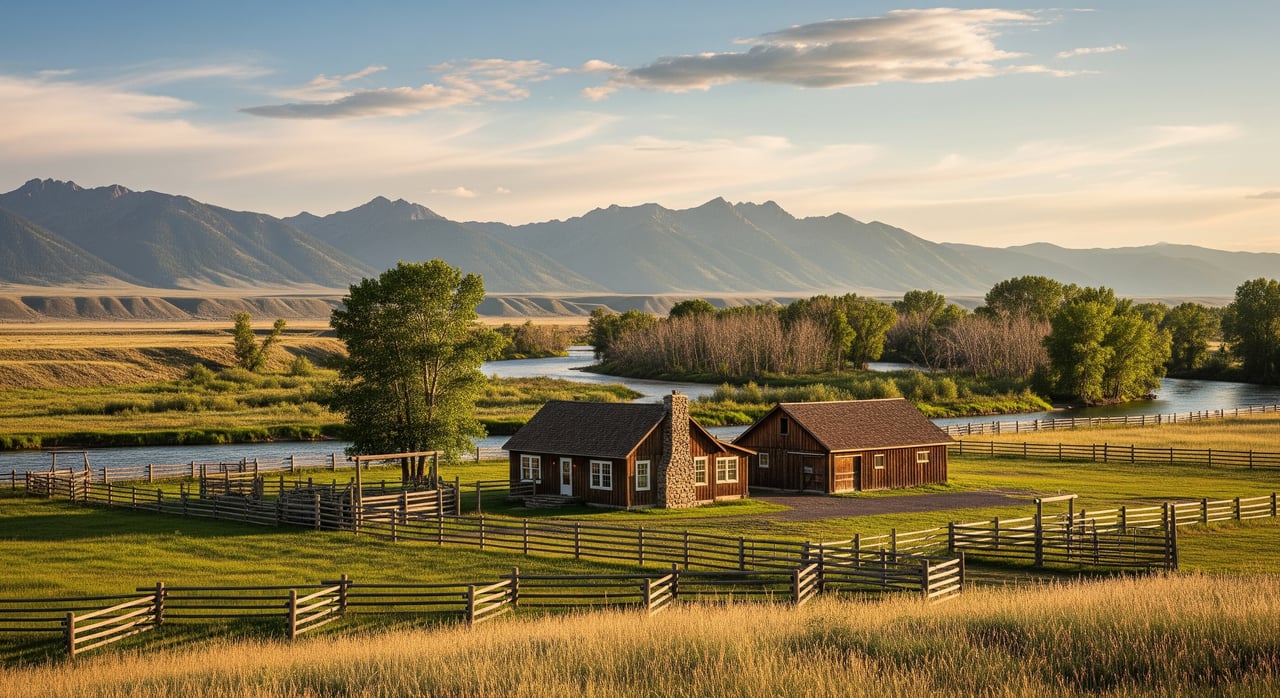
Thinking about selling or buying a small ranch in Paradise Valley? Getting price right can feel tricky because no two parcels are the same, and water, river access, and improvements can swing value a lot. You want a clear way to size up what matters so you can list or make an offer with confidence. This guide breaks down the local factors, proven methods, and step-by-step process that work in Livingston and greater Park County. Let’s dive in.
What makes Paradise Valley unique
Paradise Valley stretches along the Yellowstone River between the Absaroka and Gallatin ranges, with Livingston as the main hub at the north end. The area serves both agriculture and lifestyle buyers, which shapes pricing. Properties near the river and with scenic views often command a premium, while proximity to Livingston can boost demand for year-round living.
Regulations also matter. Water rights are handled under Montana’s prior-appropriation system, and they are often the most important non-structural value driver on a small ranch. County-level rules for zoning, subdivision, and permits apply, and conservation easements can limit development and affect value.
The value drivers that move price
Water rights and irrigation
Water is central in Paradise Valley. Verified water rights, priority dates, and volumes, along with the number of irrigated acres, can dramatically change per-acre value. Reliable headgates, ditches, or pressurized systems, plus well yields and well logs, increase confidence for buyers. If water rights are separated or need a change of use, plan for review by the state.
Location and access
Yellowstone River frontage and direct river access carry a strong premium due to recreation, scenery, and scarcity. River views, paved or well-maintained road access, and short drives to I-90 or Livingston typically add appeal. Seasonal access and long private roads can affect pricing and buyer pools.
Land productivity and wildlife
Irrigated meadows, soil types, and forage potential set the stage for hay and grazing income. Pasture quality and production records support a stronger price. Wildlife presence and hunting opportunities can add a recreational premium for buyers seeking a ranch lifestyle.
Improvements and infrastructure
Well-kept residences, barns, corrals, fencing, wells, septic systems, and power or broadband access carry real weight. Turnkey operations with internal water distribution and fencing for rotational grazing often justify higher pricing.
Legal interests and easements
Mineral rights, third-party reservations, and active mineral or grazing leases can influence value and buyer comfort. Conservation easements typically reduce developable options and market price, though they may make the property more attractive to conservation-minded buyers and can come with tax or program benefits.
Risk factors to account for
Check FEMA floodplain status near the river, wildfire risk and history, noxious weeds, and well and septic compliance. Any of these can reduce value or require contingencies.
Proven valuation methods
Sales comparison approach
This is the primary method for small ranches. Start with recent, truly comparable sales in Park County and nearby valleys, compare on a per-acre basis, then adjust for irrigated versus dryland acres, river frontage, house and outbuildings, access, and conservation easements. Expect few perfect comps and document the reasoning behind each adjustment.
Income approach
Use this when the ranch produces measurable income from hay, grazing leases, hunting leases, or short-term rental components. Capitalize net operating income or apply local lease rates. For lifestyle properties, this serves more as a reality check than the main driver.
Cost approach
When improvements dominate value or comps are scarce, estimate land value and add replacement cost for improvements, less depreciation. This is helpful when a high-quality residence or extensive ranch infrastructure sets the offering apart.
Common-sense adjustments
Adjust beyond raw acreage. Irrigated meadow versus dry grassland is a big lever. Direct Yellowstone River frontage is a meaningful premium. Proximity to Livingston and paved access often add value. Conservation easements generally subtract value. Excluded mineral rights can reduce the price buyers will pay.
A step-by-step pricing plan
- Assemble documents. Gather deeds, surveys, water-rights certificates, ditch records, well logs, tax statements, and any easement or lease agreements.
- Identify local comps. Review recent sales of small ranches in Park County and similar valleys. Note river frontage, irrigated acres, and improvements.
- Verify irrigated acres and water rights. Confirm priority dates, volumes, and delivery systems. Clarify any change-of-use needs.
- Adjust for key premiums and discounts. Weigh water and irrigation first, then river frontage, residence and infrastructure, access, and any easements.
- Consider income data. If the property has reliable hay, grazing, or hunting income, apply an income cross-check.
- Validate with local experts. Consult a broker who understands land and a certified rural appraiser.
- Set a listing strategy. Price just below perceived market to spark competition, or price to test value and target a specific buyer segment. Align your timeline and marketing plan.
Documents to gather before pricing
- Deed, legal description, and surveys or plats.
- Water-rights records, ditch association statements, headgate locations, and well completion reports.
- Recent county tax statements and any agricultural classification proof.
- Improvement list and condition notes for homes, barns, corrals, fencing, wells, and septic.
- Mineral-rights statements and title records showing conveyed or reserved interests.
- Conservation easement agreements, if any.
- Lease agreements for grazing or hunting and related income records.
- NRCS soil reports, hay yield records, and grazing capacity estimates if available.
- FEMA floodplain maps or prior flood insurance documentation for river-adjacent parcels.
The local pros to involve
- A licensed land and ranch broker experienced in Paradise Valley and Park County.
- A certified rural real estate appraiser with ranch and recreational property experience.
- A water-rights specialist or attorney for complex or separated rights.
- A surveyor to verify boundaries and irrigated acres.
- A title company familiar with mineral rights and encumbrances in Montana.
- County assessor and planning staff for tax classification and permitting questions.
- NRCS or an extension agent for soils and forage estimates.
Pricing strategy and timing
Decide whether you want to maximize speed or test peak value. Pricing a touch under the perceived market can draw more showings and potential multiple offers. Pricing to test allows time to reach a targeted buyer who values specific features like river frontage or turnkey infrastructure. Revisit your strategy as you receive feedback, and ensure marketing highlights the water rights, irrigated acres, access, and any unique amenities.
Reduce risk and surprises
- Confirm water-right volumes, priority dates, and seasonal considerations.
- Verify irrigated acres against surveys and NRCS mapping.
- Ensure well and septic compliance with local health rules.
- Check floodplain status and wildfire history, and discuss insurance implications.
- Confirm conservation easements, covenants, access easements, and boundary fences.
- Understand Montana fence-law norms and local practices.
Final thoughts
Pricing a small ranch in Paradise Valley starts with water and irrigation, then layers in location, access, improvements, and legal interests. Because comps are limited and each parcel is unique, local expertise pays off. If you want help assembling records, verifying irrigated acres, and choosing a strategy that fits your goals and timeline, reach out to schedule a conversation.
For tailored guidance, marketing that tells your ranch’s story, and access to a qualified buyer pool, connect with Courtney King.
FAQs
How do I verify irrigated acres and water rights in Paradise Valley?
- Review state water-right records, ditch association statements, and historic use documents, and consider hiring a water-rights specialist to confirm details and transferability.
How much does Yellowstone River frontage add to a small ranch’s price in Park County?
- River frontage often carries a significant premium due to recreation, scenery, and scarcity, which you can quantify by comparing recent local river-front sales.
Do conservation easements in Paradise Valley typically lower sale price?
- Yes, they usually reduce market value by limiting development, though they may attract conservation-focused buyers and can offer tax or program benefits depending on terms.
What should I expect for property taxes after buying a small ranch in Park County?
- Taxes depend on classification, improvements, and use; you should consult the county assessor and state guidance to understand current rules and any agricultural valuation options.
How important are mineral rights when buying a small ranch near Livingston?
- Mineral rights are important because third-party reservations or active leases can affect value and buyer comfort, and buyers often discount price when minerals are excluded.
Are there common financing hurdles for small ranches around Livingston and Paradise Valley?
- Yes, rural ranch loans may require larger down payments and specialized appraisals, so many buyers work with agricultural or portfolio lenders familiar with these properties.