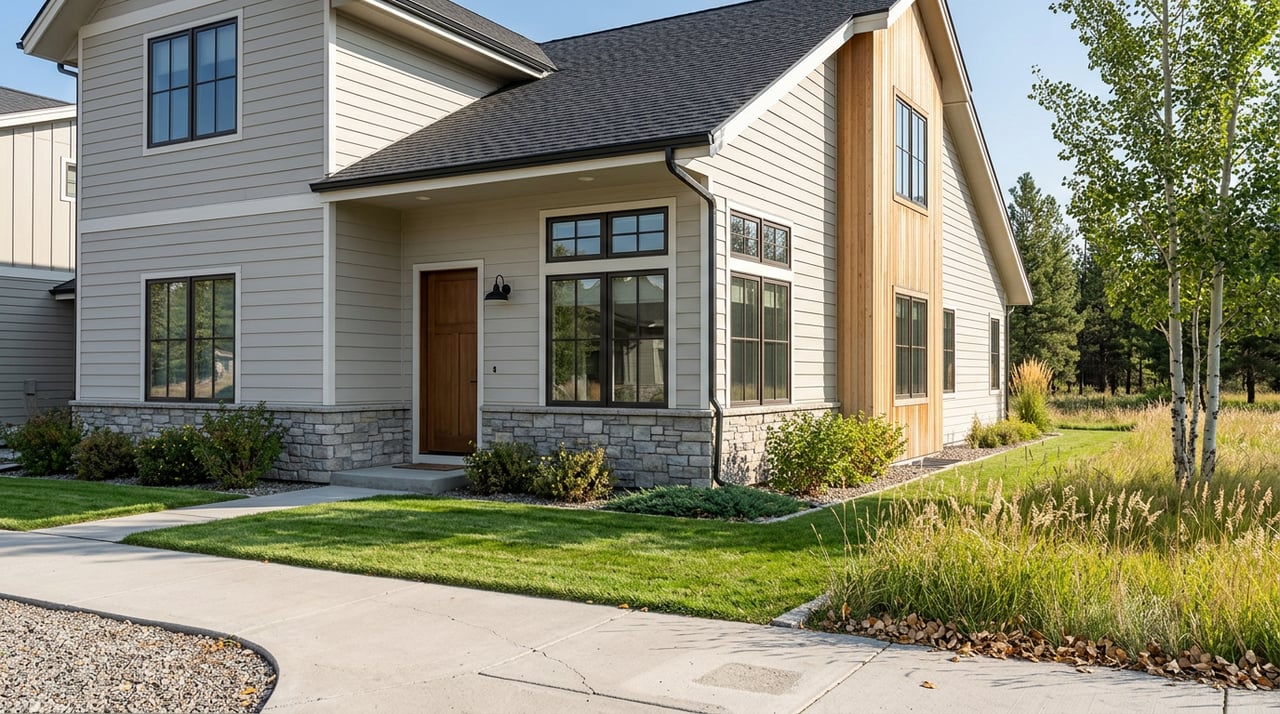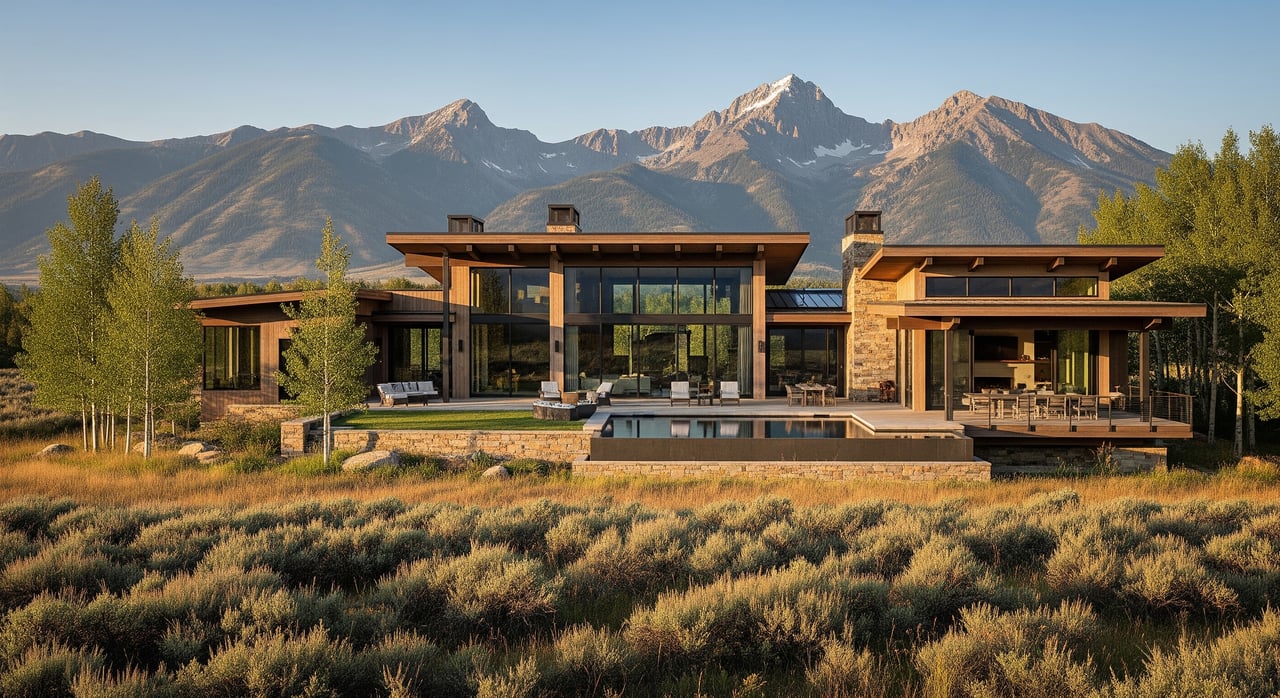
Thinking about swapping long commutes for mountain views, fresh powder days, and a vibrant small-city scene? If Bozeman is on your shortlist, you’re not alone. You want clear, practical guidance so your move feels confident, not rushed. In this guide, you’ll learn how the market really works, which neighborhoods fit different lifestyles, what to expect in winter, and the due diligence steps that protect your investment. Let’s dive in.
Why Bozeman draws newcomers
Bozeman blends university energy, healthcare and tech jobs, and year-round outdoor access. That mix fuels steady growth and a lively economy compared with many mountain towns. You can confirm recent growth trends in the U.S. Census QuickFacts for Bozeman, which is a reliable snapshot of population and housing indicators.
- Review the U.S. Census QuickFacts for Bozeman to understand population and household trends.
- Check Montana State University enrollment and employment via the Montana State University Office of Planning and Analysis to see how campus activity shapes rental demand and local services.
- Bozeman Yellowstone International Airport offers direct flights to several hubs, which makes second homes, remote work, and frequent travel more practical than in many rural markets.
Helpful links:
- Explore U.S. Census QuickFacts for Bozeman: Bozeman city profile
- MSU enrollment and employment data: Montana State University Office of Planning and Analysis
- Flight routes and passenger info: Bozeman Yellowstone International Airport
Housing market at a glance
Relative to most of Montana, Bozeman’s prices and rents are higher. That is driven by strong lifestyle demand plus steady employment from the university and healthcare. Inventory can be tight, and well-priced homes in desirable areas may attract multiple offers.
- Treat list price as a starting point within a competitive market environment.
- Timing, inspection contingencies, and local insight matter, especially if you are comparing in-town listings with rural acreage.
- For a quick sense of market direction, review local updates from the Gallatin Association of REALTORS.
Neighborhood guide for first tours
Each area offers tradeoffs between walkability, space, commute time, and outdoor access. Use these summaries to prioritize your first trips.
Downtown and core neighborhoods
You’ll find historic bungalows, cottages, and newer infill townhomes and condos near Main Street and the MSU campus. Expect smaller lots and on-street parking, with high demand for walkable locations. Newer infill may include HOA fees and modern construction styles.
- Great if you value short walks to restaurants, shops, and cultural venues.
- Expect higher competition and smaller private yard space compared with outer subdivisions.
North Bozeman and Bridger corridor
North-side neighborhoods put you close to the Bridger Range. Homes may advertise “views” and quick trips to Bridger Bowl. Roads can narrow as you approach trailheads, and winter driving can be more challenging on steeper lots.
- Ideal if skiing, hiking, and mountain biking access sit high on your list.
- Budget for winter tires or AWD and plan for snow clearance in driveways and private roads.
South Bozeman and Gallatin Valley subdivisions
South-side growth areas offer newer subdivisions and, in some cases, larger lots. You’ll see planned developments with covenants, fresh infrastructure, and ongoing construction as neighborhoods build out.
- Expect HOAs and architectural controls that guide exterior changes.
- Newer schools and services are common, but boundaries and traffic patterns can evolve as the area grows.
Outlying communities and rural acreage
Belgrade, Manhattan, and Three Forks often offer more affordability, while resort areas like Big Sky are higher priced with a vacation-oriented profile. Rural listings might note “well and septic,” “private access,” or “gated” roads, which require extra due diligence.
- Trade a longer commute for more land or lower purchase price.
- Confirm road maintenance agreements, well yield, and septic permits during inspections.
Seasonality, commuting, and daily life
Weather and tourism patterns shape daily routines. Understanding seasonality helps you choose a home that fits all year, not just in summer listing photos.
Winters and snow logistics
Snow accumulates, and the city prioritizes plowing main roads. Side streets and county roads may clear later. Driveway slope, garage access, and parking matter more than they do in milder climates.
- Verify who handles snow removal for streets and private roads.
- Ask for seller records related to roof age and snow mitigation.
Summer, smoke, and construction
Late spring through summer is a busy outdoor and building season. Regional wildfire smoke can appear in late summer and early fall, which can affect air quality. Buyers sensitive to smoke should plan for air filtration options.
- If a listing looks perfect in a sunny photo set, verify winter access and ice patterns.
- Consider proximity to active construction phases in growing subdivisions.
Getting around
Primary corridors connect Bozeman to outlying towns, and traffic has increased with growth. Local public transit serves core routes, but coverage is limited compared with large cities. Cycling and walking work well in central neighborhoods but are less practical for long commutes.
- If you fly often, evaluate drive time to the airport using typical peak travel windows.
- If your work is remote, test internet speeds and cell coverage at the exact address.
Utilities and infrastructure checklist
Services vary a lot between in-town and rural settings. Knowing what to verify up front keeps contracts smooth and lenders comfortable.
In town vs. rural services
Inside city limits, expect municipal water, sewer, and trash. Outside city limits, many properties rely on domestic wells and septic systems. Rural broadband may use fixed wireless or satellite, and cell coverage can be spotty in canyons.
- Confirm water source, septic permits, and last service dates.
- Ask your agent for local internet providers and address-level speed checks.
Translating listings into reality
When a listing sounds perfect, use these reality checks to avoid surprises.
- Property systems and water: Confirm well presence, yield test results, pump age, and any recorded water rights. You can learn about water rights through the Montana DNRC.
- Septic and permits: Verify septic capacity, permits, and last pumping or inspection. Some lenders require proof of inspection.
- Heating and insulation: Identify heating type and fuel source. Insulation quality matters in a cold climate and affects monthly costs.
- Roof load and snow: Check roof age and design for snow shedding. Ask about ice dam history and gutter maintenance.
- Wildfire risk: Review defensible space and local risk layers. Insurance availability and cost can vary with exposure.
- Roads and access: Confirm if roads are county maintained, HOA maintained, or owner maintained. Steep driveways may be difficult during storms.
- Legal and zoning: New developments often include covenants and architectural controls. If rentals are part of your plan, confirm current short-term rental rules through City or County pages such as the City of Bozeman site.
- Financing and insurance: Some properties with wells, septic, or private access need additional lender documentation. Start lender conversations early to avoid closing delays.
Short-term rentals and changing rules
Short-term rental regulations evolve as the area grows. Some properties may have restrictions or registration requirements. If rental income is central to your strategy, verify city and county ordinances before writing an offer. Start with the City of Bozeman website for current planning and code information, and consult county resources for unincorporated areas.
How MSU and outdoor access shape demand
The MSU calendar influences rental demand, especially near campus. Fall and spring semesters can tighten supply for student and staff rentals. Outdoor recreation is a year-round magnet, so homes near trailheads or with easy winter access often see premium pricing and competition.
- Expect more competition in neighborhoods that balance walkability with quick access to ski areas and river corridors.
- Be ready to act decisively on well-priced listings that fit these high-demand criteria.
Due diligence checklist for newcomers
Use this quick-reference list on any property you consider.
- Confirm municipal vs. private water and sewer. Get well yield tests and septic inspection reports.
- Verify who maintains roads and plows them in winter. Ask for private road agreements if applicable.
- Request seller records for roof, furnace, water pump, and septic pumping or permits.
- Identify heating type and average utility costs for winter months.
- Ask about propane or oil tank ownership and last fill dates if relevant.
- Check floodplain maps and local wildfire risk layers to estimate insurance needs.
- Confirm current school boundaries directly with the district if that is important to you.
- Review property tax amounts and assessed value history with Gallatin County sources before you write an offer.
- Verify internet service and cell coverage at the exact address.
- Read HOA covenants, fees, reserve studies, and meeting minutes for planned projects or restrictions.
- Confirm short-term rental rules for your intended use through city or county ordinance pages.
How a local advisor helps
A skilled local advisor can save you time, stress, and money by focusing on details that are easy to miss from a distance.
- Market translation: Turn listing phrases like “walkable” or “short drive” into real commute times, winter access notes, and neighborhood tradeoffs.
- Off-market insight: Surface builder timelines, coming-soon homes, and private offerings not visible on national portals.
- Transaction navigation: Coordinate inspections for wells, septic, roof load, and wildfire assessments. Recommend lenders and appraisers who understand local standards.
- Regulatory checks: Quickly verify rental rules, annexation plans, and covenants that affect your intended use.
- Practical logistics: Arrange remote closings, movers who handle rural access, and snow removal contacts so move-in is smooth.
When you are ready to explore neighborhoods or translate an online favorite into a real-world plan, schedule a personal consult with Courtney King. You will get clear next steps tailored to your goals and timeline.
FAQs
Is Bozeman more like a resort town or a traditional mountain city?
- It is a hybrid with university, healthcare, and tech jobs that create year-round activity, plus strong outdoor and resort influences from areas like Bridger Bowl and Big Sky.
How competitive is the Bozeman housing market for buyers?
- Competitiveness varies by price point and time of year, but desirable homes in central or recreation-friendly areas often see multiple offers and move quickly.
Do I need all-wheel drive or winter tires in Bozeman?
- Winter driving can be demanding, especially on rural or steep roads, so AWD or 4WD with winter tires is recommended for safer, more reliable access.
Are properties with wells and septic harder to finance?
- They can be, because many lenders require inspections and documentation; engaging a local lender early helps prevent surprises and delays.
What should I know about short-term rental rules in Bozeman?
- Rules can change and may include restrictions or registration requirements; check current City and County ordinances before you plan on STR income.
How does Montana State University affect housing demand?
- MSU’s student and staff populations support steady rental demand, and the academic calendar can tighten supply near campus during fall and spring semesters.