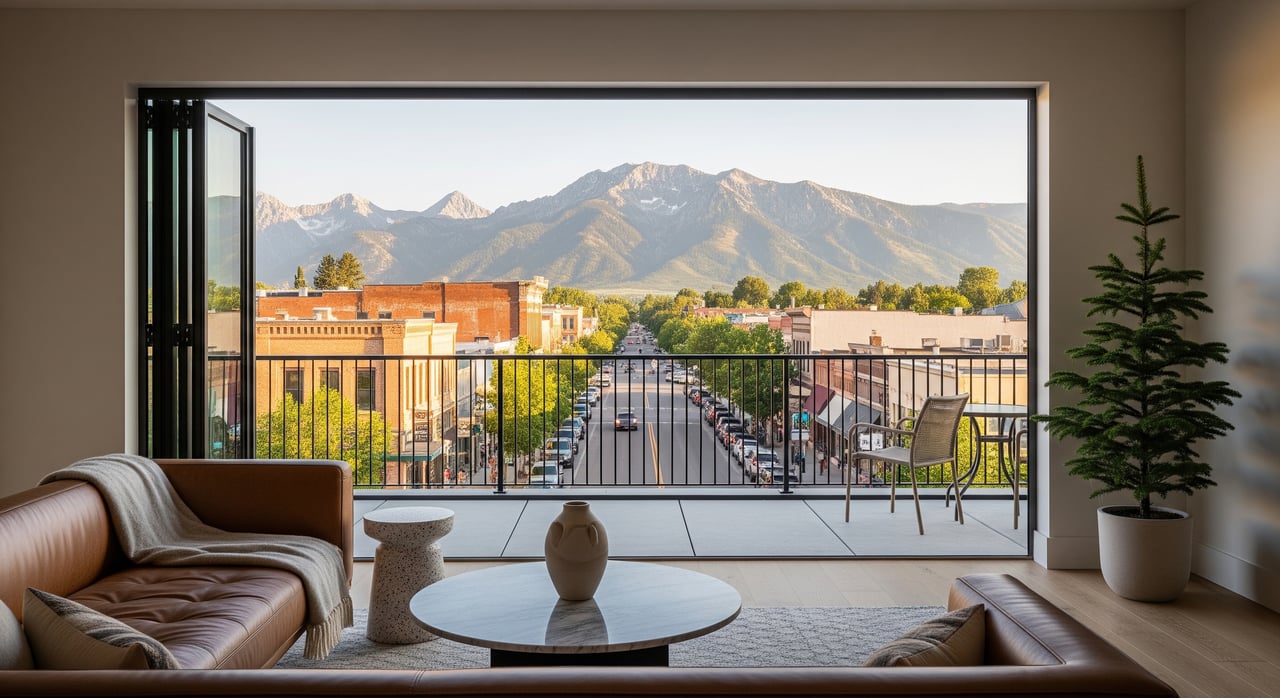
Picture your morning starting with a quick walk to coffee on Main Street, an easy bike ride to campus or the office, and mountain views in every direction. If you want daily convenience without giving up weekend adventure, downtown Bozeman in 59715 offers a lifestyle that balances both. In this guide, you’ll learn how everyday life works here: walkability, housing choices, transit, outdoor access, and what to expect when you tour homes. Let’s dive in.
Downtown Bozeman at a glance
Downtown centers on Main Street and the surrounding blocks, with Montana State University a short walk or drive away. The Bridger Range frames the skyline to the northeast, reminding you that trails and ski lines are never far. Hyalite Canyon and the Gallatin River corridors sit within typical local driving distance, roughly 15 to 30 minutes by car.
You’ll share the core with a mix of long-time residents, downtown renters, and MSU students and staff. The population ebbs and flows with the academic calendar, visitor seasons, and outdoor recreation peaks. That cycle shapes everything from nightlife energy to parking demand.
Walkability and daily errands
If you live near Main Street, most essentials are within easy reach. You can walk to cafés, markets, pharmacies, fitness studios, banks, bike shops, and dry cleaners. Sidewalk seating and street-facing storefronts make it simple to run errands on foot.
A limited-car lifestyle is very doable in the core neighborhoods. Many residents rely on walking and biking for their day to day, then use rideshare or a personal car for trips beyond downtown.
Dining, coffee, and nightlife
You’ll find a dense cluster of independent restaurants, bakeries, and coffee shops. Options range from casual cafés and brewpubs to special-occasion dining. Food carts and seasonal patios add variety when the weather warms.
Evenings are active, especially on weekends and during the school year. Live music and bar scenes reflect the college-town energy, while plenty of venues cater to quieter dinners and family-friendly outings.
Arts and culture
Cultural life downtown is steady and diverse. Galleries, small theaters, and community arts venues host regular programming. MSU adds lectures, concerts, and sporting events that spill into the broader community calendar, giving you year-round options.
Parks, trails, and outdoor access
Daily outdoor time is easy to build into your routine. Linked paths support walking, running, and biking from the core. Iconic trailheads in the Bridger Range, including the popular “M” area, are a short drive away.
Hyalite Canyon and the Gallatin River corridors are close for hiking, climbing, fishing, mountain biking, and winter sports. From downtown, you trade long commutes for quick access to trailheads and riverbanks.
Getting around and parking
Many residents get around by foot, bike, or short bus rides. Local transit and campus shuttles connect downtown to MSU and nearby neighborhoods. Bike-friendly infrastructure is strong relative to other Montana communities.
Parking on and near Main Street is regulated in core blocks. Time limits and paid zones are common, so it helps to understand the rules on the streets closest to your home. Owning a car is still useful for trailhead access and errands outside the core.
Housing options and tradeoffs
Condos and apartments
Newer infill has added condominiums, townhomes, and mid-rise apartment buildings in and near the core. These properties appeal if you want low maintenance and to live steps from dining, shops, and campus. Many buildings are on or just off Main Street.
Expect HOA dues that typically cover exterior maintenance, snow removal, and shared amenities. If you plan to rent your unit, review any HOA policies that may affect short-term or long-term leasing.
Historic and near-downtown homes
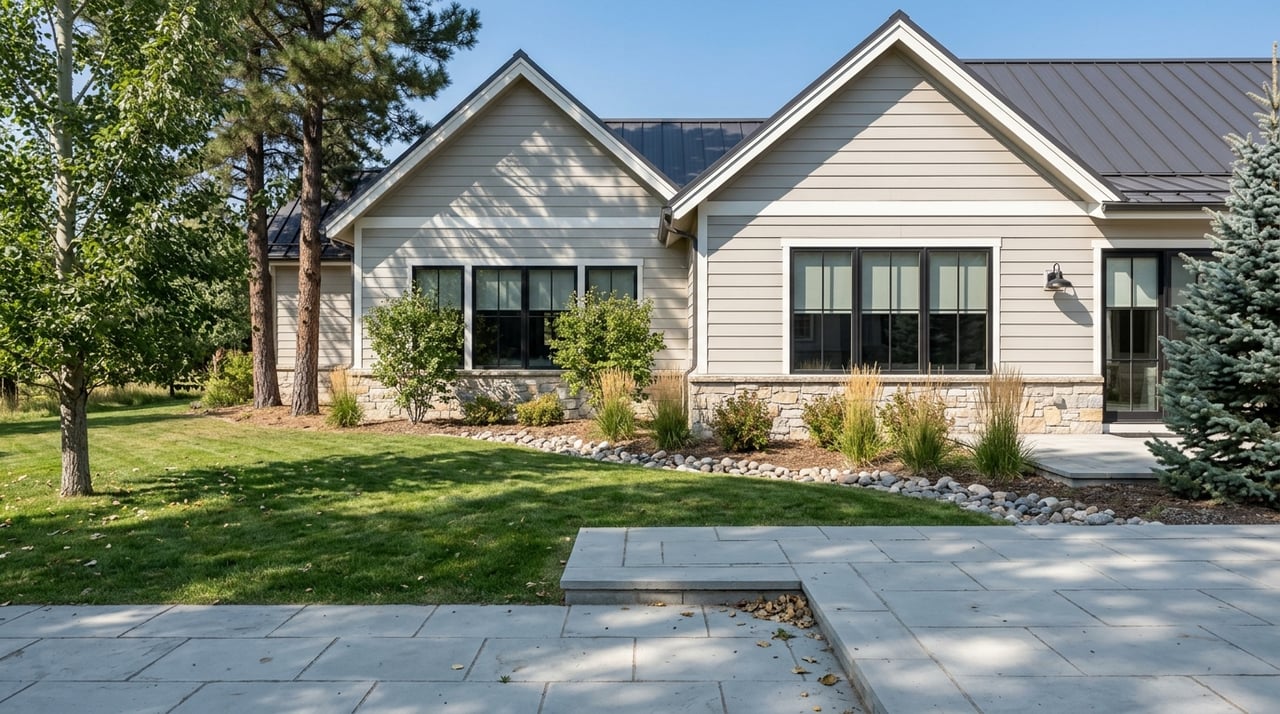
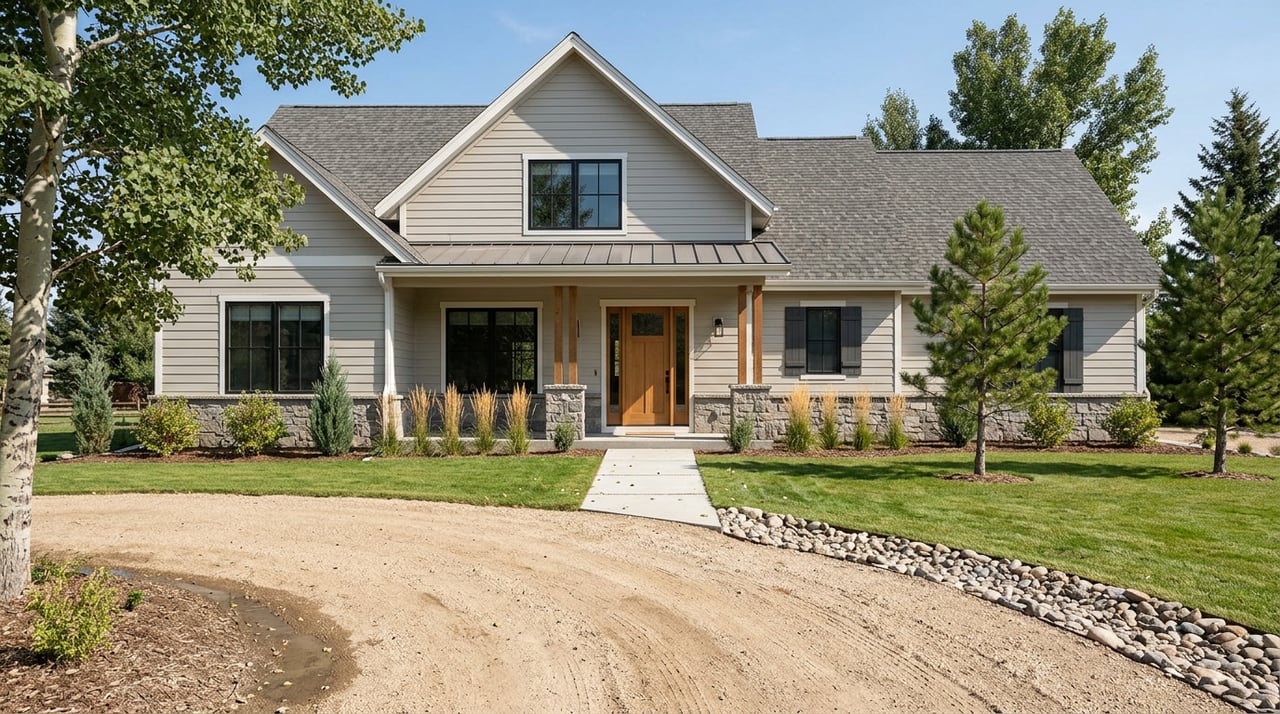
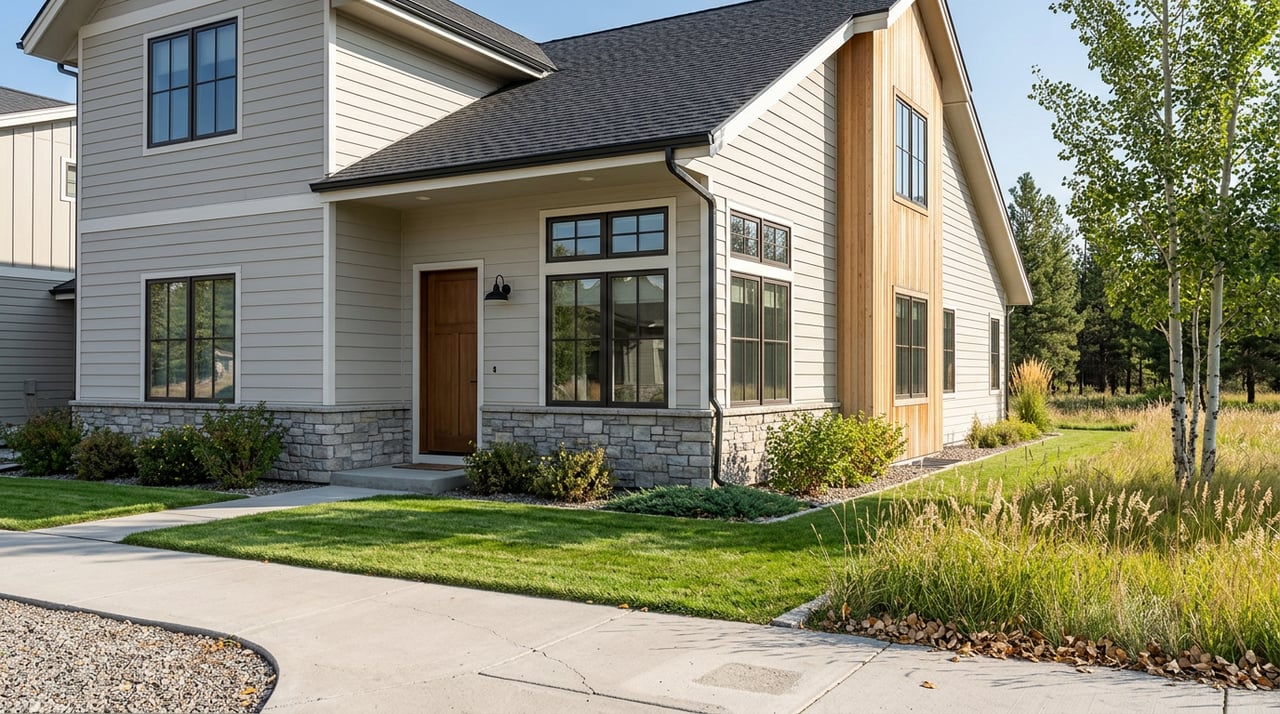
You’ll see late 19th and early 20th century homes near the core, including Victorians, bungalows, and craftsman styles. These homes offer character, yard space, and more living area than most condos.
The tradeoff is upkeep and potential design review. If a property sits within a historic or design district, exterior changes may require permits or approvals. Many buyers value the charm and walkability enough to make that maintenance worthwhile.
Transitional neighborhoods
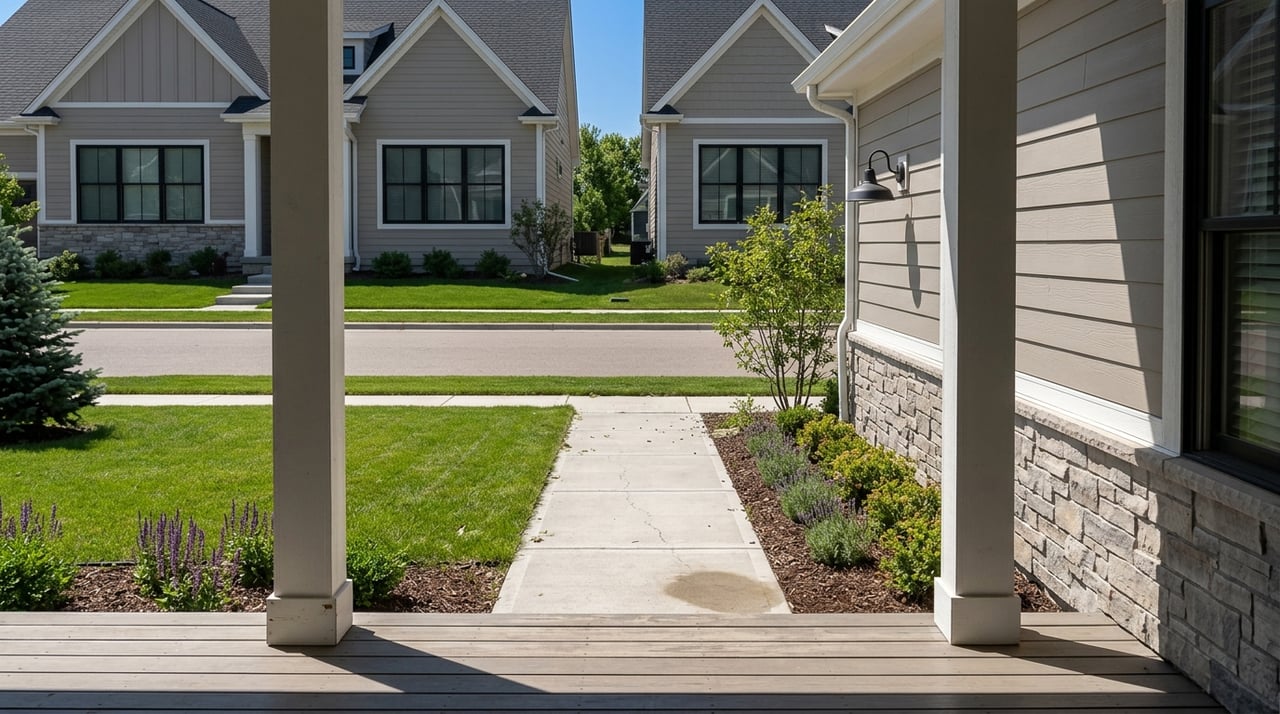
A few blocks off Main Street, single-family neighborhoods provide a quieter feel and larger yards while staying walkable to downtown amenities. These areas strike a balance between space and convenience.
Market context to expect
Downtown and close-in neighborhoods often command a premium because of location and walkability. Supply for move-in-ready single-family homes near the core is limited, and competition can be strong.
Demand is influenced by MSU, local tech and small business growth, the outdoor recreation economy, and in-migration from other states. The rental market is active, shaped by student housing needs and seasonal demand. For current numbers on prices, inventory, and days on market, check the latest MLS data and local association reports.
Renovation and rules
Before you plan upgrades, confirm zoning and any applicable design standards. The City of Bozeman provides zoning maps and planning guidance that outline allowed uses, height limits, and parking requirements.
If you’re considering a condo or townhome, review HOA governing documents, dues, and reserve status. For older homes, check property history and permits to understand any prior additions or conversions.
Is downtown living a fit
Use this quick checklist as you prioritize:
- You want to walk to coffee, restaurants, shops, and events most days.
- You like an active street scene and can accept some evening and weekend noise.
- You plan to bike, bus, or keep one car for regional trips and trailheads.
- You prefer low-maintenance living in a condo or value the charm of a historic home.
- You are comfortable with a price premium for location and lifestyle.
Families often weigh home size, yard space, and school assignments alongside walkability. Many find a sweet spot in nearby residential streets that remain close to the core.
Tips for touring homes
- Visit at different times: midday, evening, weekend, and an MSU event day to gauge noise and traffic.
- Test walkability: time a 5 to 20 minute loop to grocery, pharmacy, coffee, transit, and parks.
- Verify parking: understand on-street rules and whether the home includes dedicated spaces or a garage.
- Review HOA documents: confirm dues, pet policies, leasing rules, and any upcoming assessments.
- Confirm zoning and permits: check city records, especially for older homes and any past renovations.
- Evaluate comfort: stand on the sidewalk, listen at night, and note privacy from nearby businesses.
A day in the life
Start with a quick coffee stop on Main Street, then walk or bike to the office or MSU. Lunch can be a casual café, a food cart, or a patio on a sunny day. After work, ride a nearby path or drive to a trailhead for a short hike.
Dinner choices range from a quiet neighborhood spot to a downtown restaurant with live music. On game nights or event weekends, the sidewalks feel lively and festive. On quieter weekdays, the pace eases back to a relaxed small-city rhythm.
Resale and investment notes
Centrally located properties typically enjoy strong demand due to the scarcity of buildable lots and the appeal of walkable neighborhoods. Move-in-ready condos and downtown single-family homes often see steady buyer interest.
Investment returns can be affected by market cycles and local regulations. Short-term rental rules and parking policies may evolve, which can shape rental income potential and development decisions. If you plan to rent or remodel, confirm current city ordinances and HOA policies before you buy.
Next steps
If downtown living in 59715 fits your lifestyle, the next step is to match your goals with the right property type and block. Whether you are choosing between a lock-and-leave condo or a historic home with a porch and yard, local context is key. A focused search, clear timeline, and early prep on financing or 1031 considerations will make your move smoother.
When you are ready to tour, connect with Courtney King to schedule a consultation. You will get hyperlocal guidance, a curated on-the-ground tour, and a strategy aligned to your goals.
FAQs
Is living in downtown Bozeman realistic without a car
- Many day-to-day needs are covered by walking, biking, and short bus or shuttle rides, though a car is useful for trailheads and errands outside the core.
How much nightlife and MSU activity will I hear
- Expect noticeable activity on weekends and during the academic year, with noise levels varying by block and building construction, especially near Main Street.
Are historic downtown homes harder to renovate
- Older homes often require more maintenance and may fall under design review, but they offer character and can perform well when updated thoughtfully.
How do downtown home prices compare to other areas
- Downtown and close-in neighborhoods often carry a premium for location and walkability; check current MLS data for up-to-date pricing and trends.
Is resident parking difficult near Main Street
- Street parking in the core is regulated; many buildings include dedicated spaces or garages, but always verify parking details during showings.