If you own a second home in Big Sky, selling it takes more than putting a sign in the yard and waiting for the right buyer. In a resort market, your property is competing on lifestyle, seasonality, convenience, and presentation from the very first photo. When you prepare the home with that in mind, you can make it easier for buyers to picture the experience of owning it. Let’s dive in.
Why Big Sky needs a different selling plan
Big Sky is not a typical second-home market. It is an all-season destination known for winter skiing and snowboarding, along with summer hiking, fly fishing, mountain biking, golf, rafting, and access to Yellowstone.
That matters because buyers are not just comparing square footage or finishes. They are also asking how the home fits into a mountain lifestyle across the full year. A property that feels like a winter base camp and a summer retreat will usually make a stronger impression.
Big Sky also attracts an out-of-area audience. Visit Big Sky reports that many visitors come from major metro areas like New York and New Jersey, Chicago, Los Angeles, Seattle, and San Francisco, and the typical visitor is affluent and experience-driven.
For sellers, that means your buyer may not be local at all. Your home needs to appeal to someone searching from another state, planning travel, and comparing Big Sky with other destination markets.
Start with a resort-market mindset
When you get your second home ready to sell, think beyond the structure itself. In Big Sky, the story of the property often includes ski access, mountain views, gear storage, outdoor living, and the ease of getting here from other cities.
Big Sky Resort says the destination is connected by air through 23 cities and 27 airports to Bozeman Yellowstone International Airport. That kind of access supports a broader buyer pool and makes polished online marketing especially important.
Your goal is to show how the home lives, not just how it looks. Buyers want to understand what arrival feels like, how gear flows through the home, where they gather after a day outside, and how the property works in every season.
Stage for winter and summer living
Because Big Sky is a year-round destination, your staging should help buyers picture both snow season and green season. Even if you list during one time of year, many buyers will still think about how they would use the property across all seasons.
Winter staging priorities
In winter, first impressions matter fast. Snow and ice should be cleared from entries, stairs, and walkways before photography or showings.
Inside, focus on comfort and function. Mudrooms, ski lockers, benches, and gear-drop zones should look intentional, clean, and easy to use.
Warmth also sells in a mountain market. A clean fireplace, layered textiles, soft lighting, and an inviting place to remove boots can help buyers connect emotionally with the space.
If your property has a hot tub, heated patio, covered entry, or direct garage access, make sure those spaces are visible and tidy. Buyers often notice these practical winter features right away.
Summer and shoulder-season staging priorities
In warmer months, the home should feel open and connected to the outdoors. Clean windows, simple window treatments, and uncluttered rooms help bring views forward.
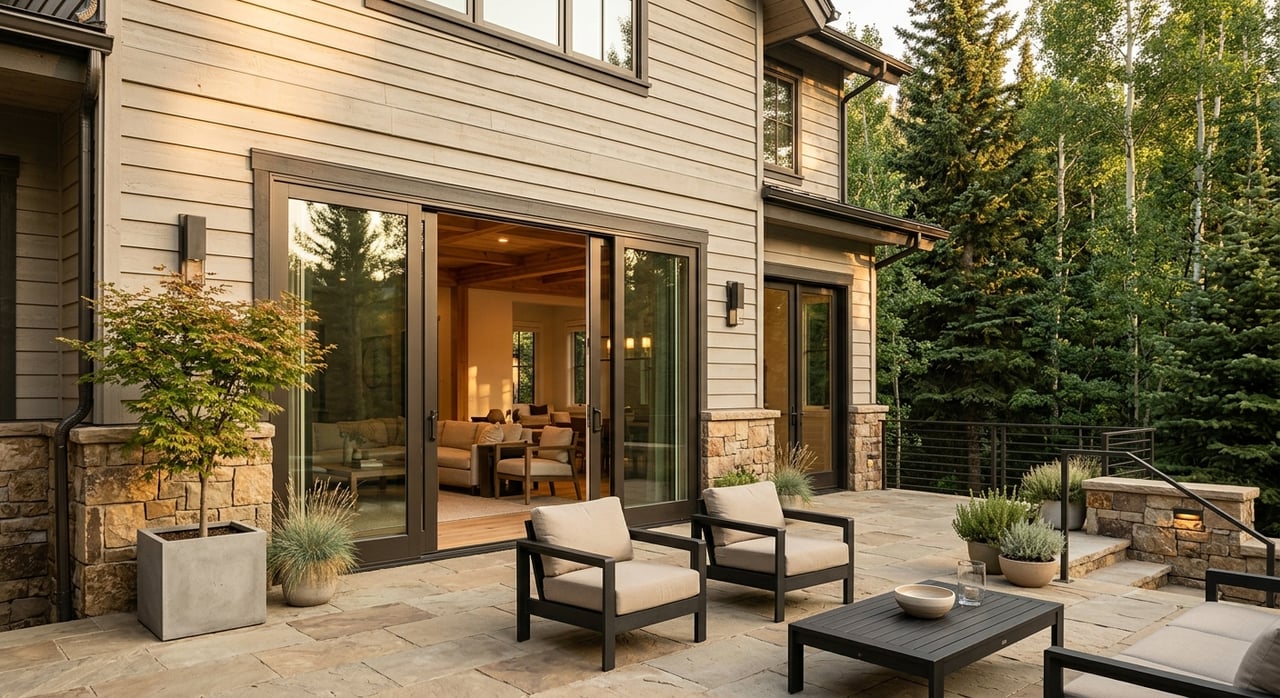
Outdoor spaces should also look ready to use. A dining setup, seating area, or fire-pit arrangement can help buyers imagine the property after ski season ends.
Storage still matters in summer. Space for bikes, golf clubs, fishing gear, or rafting equipment can support the lifestyle story that many Big Sky buyers are looking for.
Landscaping and hardscape should look cared for, even if the setting is natural and rustic. The goal is a polished presentation that feels easy to step into.
Always-on prep that helps in any season
Some updates matter no matter when you list. These details help the home feel larger, cleaner, and more move-in ready:
- Remove owner-specific clutter and personal items
- Use neutral bedding and towels
- Repair visible wear in kitchens, baths, flooring, and exterior touch points
- Edit closets and storage so they look more spacious
- Keep lighting clean and consistent throughout the home
These steps may seem simple, but they can make a meaningful difference in how buyers read the home online and in person.
Get rental and showing logistics organized
Many Big Sky second homes are also used as vacation rentals or part-time lodging. If that applies to your property, the prep process should include more than cleaning and staging.
Gallatin County defines a short-term rental as a dwelling rented for 30 days or less, or 28 days in some districts, and notes that rules are zoning-specific. The county also requires a public accommodations license through the local health process.
The Big Sky Resort Area District says lodging agreements under 30 days are subject to a 4% resort tax. If your home has been rented, organized records can help reduce delays and confusion once buyers start asking questions.
What to gather before listing
If your second home has a rental history, it helps to prepare a clear property file that includes:
- Booking calendars
- Turnover notes
- Permit paperwork
- Public accommodations license details
- Tax records related to lodging stays
- Key contacts such as cleaners, locksmiths, or property managers
This kind of preparation makes the sale process smoother. It can also help show that the property has been cared for and managed thoughtfully.
Make showings easier on short notice
Even if the home is not actively rented, second homes can be harder to show than primary residences because owners, guests, and service providers may all use the property on different schedules. A single master calendar and a standing refresh plan can help you stay ready.
That may mean coordinating housekeeping more often, simplifying owner storage, and making sure entry instructions are clear. In a market where many buyers travel in for a limited window, the easier the home is to show, the better.
Time your launch around how the home shows best
In Big Sky, timing matters. Visit Big Sky’s destination planning materials show that winter and summer are the main focus seasons, with booking windows often running about 6 to 8 weeks in each season.
That pattern suggests sellers should think carefully about when buyers are most likely to be planning a trip and when the home presents best. A ski-focused property may shine most in winter, while a home with strong outdoor living and open views may read better in summer.
There is no single perfect listing date for every second home. The better question is this: when will your property tell its best story?
Prepare for a longer selling runway
Big Sky is a premium market, but that does not always mean a quick sale. A Redfin market snapshot for April 2026 shows a median sale price of $2.67 million and median days on market of 150.
For you, that means preparation matters from day one. If buyers may take time to act, your home should enter the market fully polished rather than relying on price cuts or later improvements.
A longer runway also means your listing should stay fresh and competitive over time. Strong visuals, clean staging, and a clear lifestyle message help support that effort.
Focus on digital presentation first
In a second-home and resort market, many buyers will meet your home online before they ever set foot in Big Sky. That first impression can shape whether they schedule a showing, plan a trip, or move on.
Research from the National Association of Realtors found that 81% of buyers rated listing photos as the most useful feature in an online search, and 52% found the home they bought online. In other words, digital presentation is not a bonus. It is central to your sale strategy.
That is one reason premium marketing matters in Big Sky. You want the photography, positioning, and property story to connect with both local interest and out-of-state buyers who may be seeing dozens of destination listings.
Highlight the lifestyle buyers want
The strongest Big Sky listing content usually does more than describe finishes and floor plans. It connects the home to the experiences that bring buyers here in the first place.
Features worth emphasizing
Depending on the property, your marketing should clearly highlight:
- Ski access or proximity to slopeside amenities
- Easy gear flow, mudroom function, and storage
- Outdoor spaces for warmer months
- Access to hiking, biking, fishing, golf, rafting, or Yellowstone-oriented travel
- Air access through Bozeman for out-of-area owners and guests
This does not mean overselling. It means helping buyers understand how the home fits the way they want to spend time in Big Sky.
Why expert marketing matters
Selling a Big Sky second home often means speaking to a niche buyer with high expectations and many choices. You need pricing guidance, market timing, polished preparation, and exposure that reaches beyond the immediate area.
That is where a local advisor with resort-market experience can make a difference. Courtney King combines long-standing Montana market knowledge with a lifestyle-first approach and premium marketing support through Engel & Völkers, including broader exposure for higher-end and second-home properties.
If you are thinking about selling, the best next step is often a strategy conversation before you start making updates. That way, you can focus your time and budget on the changes that matter most.
When you are ready to position your Big Sky second home for the right audience, connect with Courtney King to schedule a consultation.
FAQs
How should you stage a Big Sky second home for sale?
- You should stage it to reflect both winter and summer living, with clear entries, functional gear storage, warm gathering spaces, clean views, and ready-to-use outdoor areas.
What makes selling a second home in Big Sky different?
- Big Sky is a resort market, so buyers often shop for a full lifestyle experience that includes skiing, summer recreation, travel access, and seasonal use, not just the home itself.
When is the best time to list a Big Sky second home?
- The best time depends on when your property shows strongest, since Big Sky demand is shaped by winter and summer travel patterns and many buyers plan trips within a 6 to 8 week window.
What should you prepare if your Big Sky home has been used as a short-term rental?
- You should gather booking calendars, turnover notes, permit paperwork, public accommodations license details, and lodging-related tax records to help reduce friction during the sale.
How long might it take to sell a home in Big Sky?
- Market pace can vary, but an April 2026 market snapshot showed median days on market of 150, which suggests sellers should plan for a longer runway and launch with a polished presentation.
Why is online marketing so important for a Big Sky home sale?
- Many second-home buyers begin their search online and may be shopping from out of state, so strong photography and clear lifestyle-focused marketing are especially important in this market.