If you want a Montana town with genuine small-town scale, easy river access, and room to breathe, Three Forks deserves a closer look. For many buyers, the appeal is not just the scenery. It is the combination of historic character, everyday essentials, and regional access that can make daily life feel simpler and more connected. This guide will help you understand what living in Three Forks is really like, what kinds of homes you may find, and what practical questions to ask as you explore the area. Let’s dive in.
Why Three Forks Stands Out
Three Forks sits in southwest Montana in Gallatin County, where the Jefferson, Madison, and Gallatin Rivers meet to form the Missouri River. According to the City of Three Forks, the confluence is about four miles from today’s city, and the 2020 Census population was 1,989.
Location is a big part of the draw. The city’s growth policy places Three Forks about 30 miles west of Bozeman along I-90, with Highway 287 providing another important regional connection. If you want a smaller home base while staying linked to the broader Gallatin Valley, that balance is part of what makes the area appealing.
Daily Life in Three Forks
Life in Three Forks tends to center on convenience, community, and outdoor access. The city’s planning documents note that residents can walk or bike within town to reach parks, a grocery store, several retail and dining options, one medical clinic, the airport, and other daily destinations.
That does not mean Three Forks functions like a large urban center. Instead, it offers a more modest, practical rhythm, with many everyday needs close at hand and larger employment, shopping, and service hubs available in nearby communities.
Small-Town Scale, Regional Reach
Three Forks is not a major employment center, and commute patterns reflect that. The city’s planning data says about 20% of residents commute to Bozeman, the average commute is roughly 21 minutes, and 84% of commuters drive alone.
For you as a buyer, that means transportation matters. If you work outside town or expect to make frequent trips across the region, it is smart to think about drive times, winter travel, and how often you want to rely on your vehicle.
Community Services and Essentials
The city lists key municipal and public services including city hall, public works, a volunteer fire department, Gallatin County sheriff coverage, bulk water service, and licensed garbage haulers. In the city’s planning survey, emergency services and drinking water ranked highest among resident priorities, which gives useful insight into what matters most to local residents.
Three Forks also has a community library funded by the city and county, along with a local medical clinic and additional care options in Belgrade and Bozeman. The local school district operates a K-12 facility in town, which is relevant for buyers comparing everyday logistics.
Historic Character and Main Street Appeal
One of the most distinctive parts of Three Forks is its sense of place. The city’s history highlights railroad-era growth, including the 1908 town sale, the building that became the Sacajawea Hotel, and incorporation in 1911.
That history still shapes the feel of town today. The city describes Main Street as a charming district with wide sidewalks, on-street parking, mature trees, and a growing number of local shops, with much of the town’s retail, dining, and entertainment centered there.
Landmarks That Anchor the Town
Historic sites help tell the story of the community. The Headwaters Heritage Museum is located in the former 1910 Three Valleys State Bank, and the Trident Depot was preserved and relocated to John Q. Adams Milwaukee Railroad Park.
Sacajawea Park, located at Main and West Ash, is recognized by the city as Three Forks’ first park. For buyers who care about local identity and walkable town features, these details can add a lot to the living experience.
Outdoor Access Near the Missouri Headwaters
For many people, Three Forks living is closely tied to the landscape. Missouri Headwaters State Park is just four miles from town and covers the confluence area where the three rivers form the Missouri.
The city notes that you can reach the park by foot or bike from town via the Headwaters Trail System. That kind of direct outdoor access is unusual and gives the town a strong connection to the rivers and surrounding open space.
Trails, Parks, and River Access
The Headwaters Trail System is a paved network of about 12 miles built on the former Milwaukee Railroad bed. According to the city, it connects town to Missouri Headwaters State Park, Droulliard Fishing Access, the Jefferson River, and the airport, while offering views of mountains, grasslands, ponds, and cottonwoods.
The city also maintains seven parks totaling just over 9 acres. For larger outings, it points residents toward nearby Buffalo Jump State Park and Lewis and Clark Caverns State Park.
Recreation in Everyday Life
The local planning document describes the Missouri headwaters as blue-ribbon trout water and notes that town ponds are used for canoeing, kayaking, and children’s fishing. In practical terms, that means outdoor recreation is not just a weekend event here. It can be part of your normal routine.
Fishing, floating, hiking, biking, wildlife viewing, and photography are all part of the area’s appeal. If you want a place where access to trails and water is woven into daily life, Three Forks checks that box.
Community Events and Local Connection
A town’s lifestyle is shaped by more than housing and scenery. It also depends on whether there are regular places and events where people connect.
The city’s event calendar highlights public meetings and local happenings throughout the year. That ongoing schedule helps support the feeling that Three Forks is active and community-oriented rather than sleepy or isolated.
Farmers Market and Rodeo Traditions
One recurring summer event is the farmers market at John Q. Adams Milwaukee Railroad Park. The city says it runs on Thursday evenings from 4 to 7 p.m. throughout the summer.
The Three Forks Rodeo Arena also hosts a range of public events, including team roping, barrel racing, youth rodeo, mounted shooter practices, roughstock rodeo events, and the annual rodeo. For buyers looking for a town with established local traditions, that event calendar is worth noting.
What the Housing Mix Looks Like
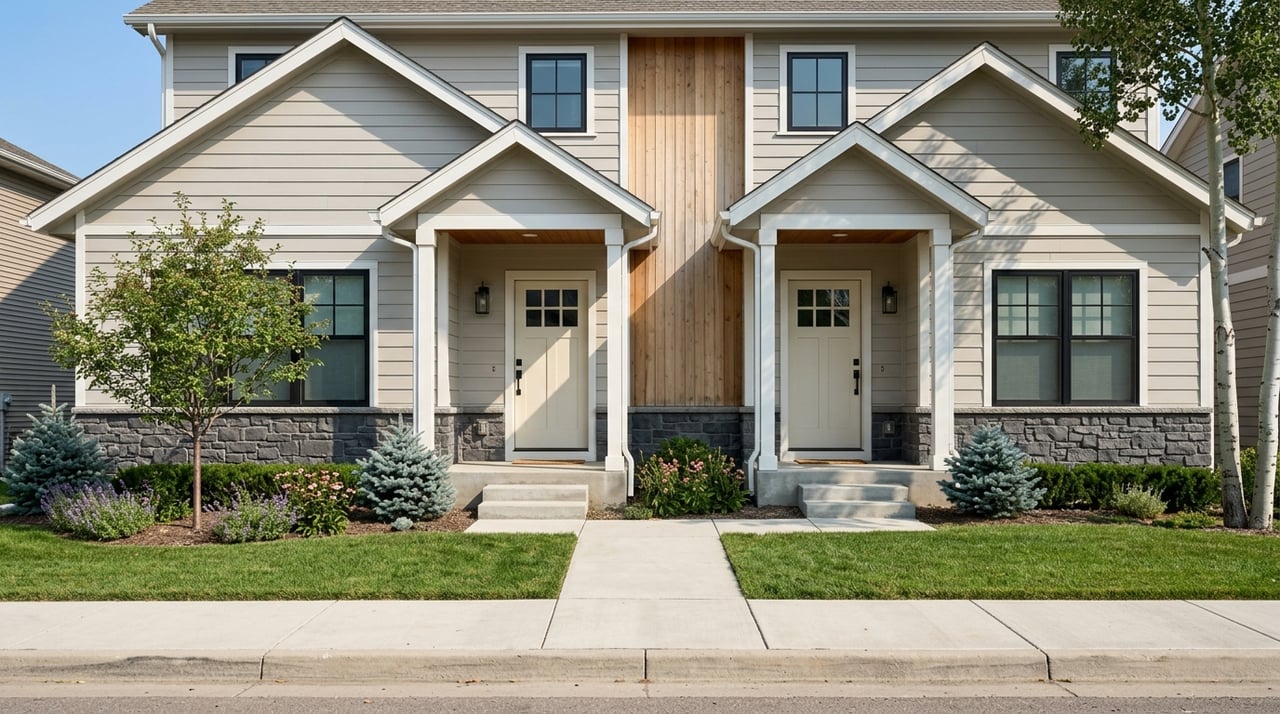
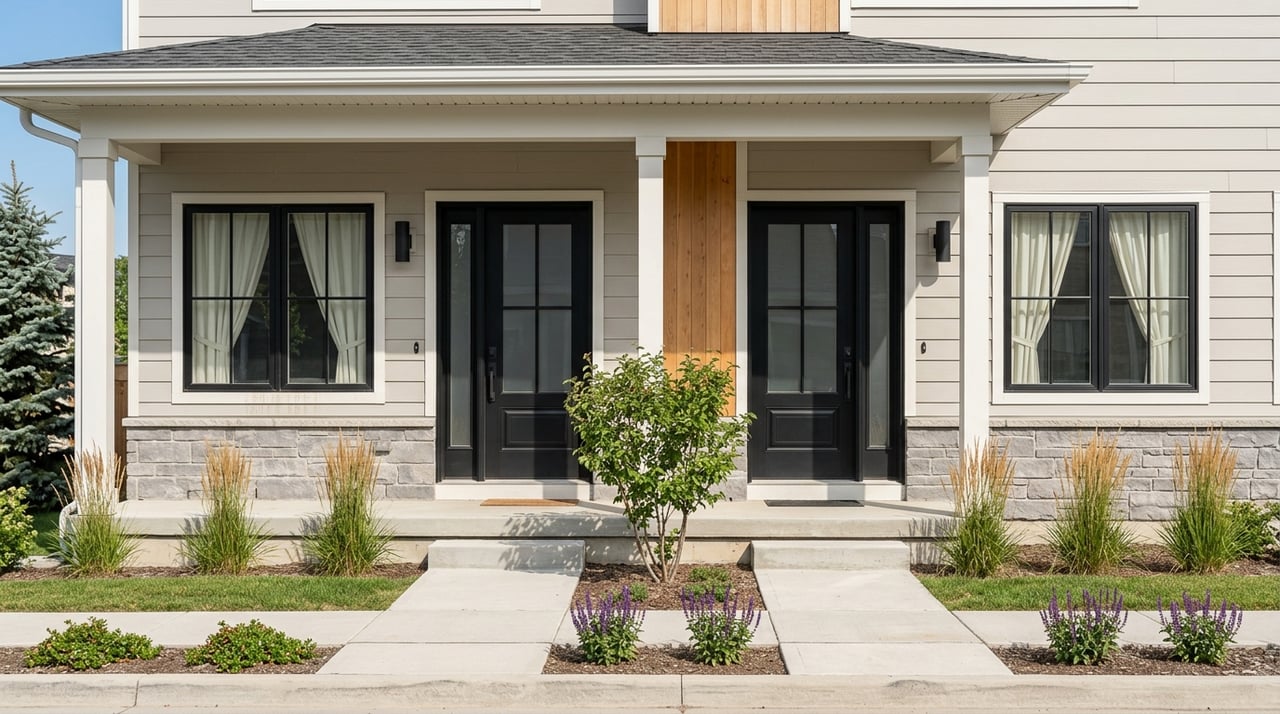
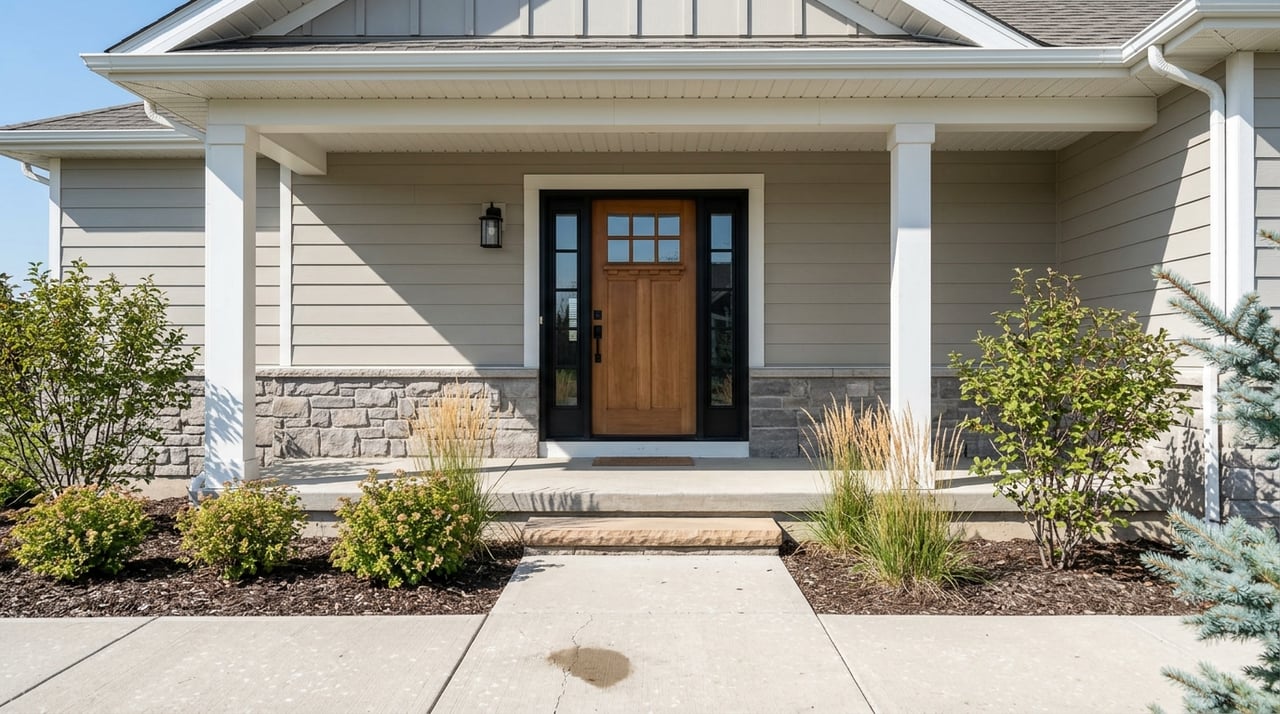
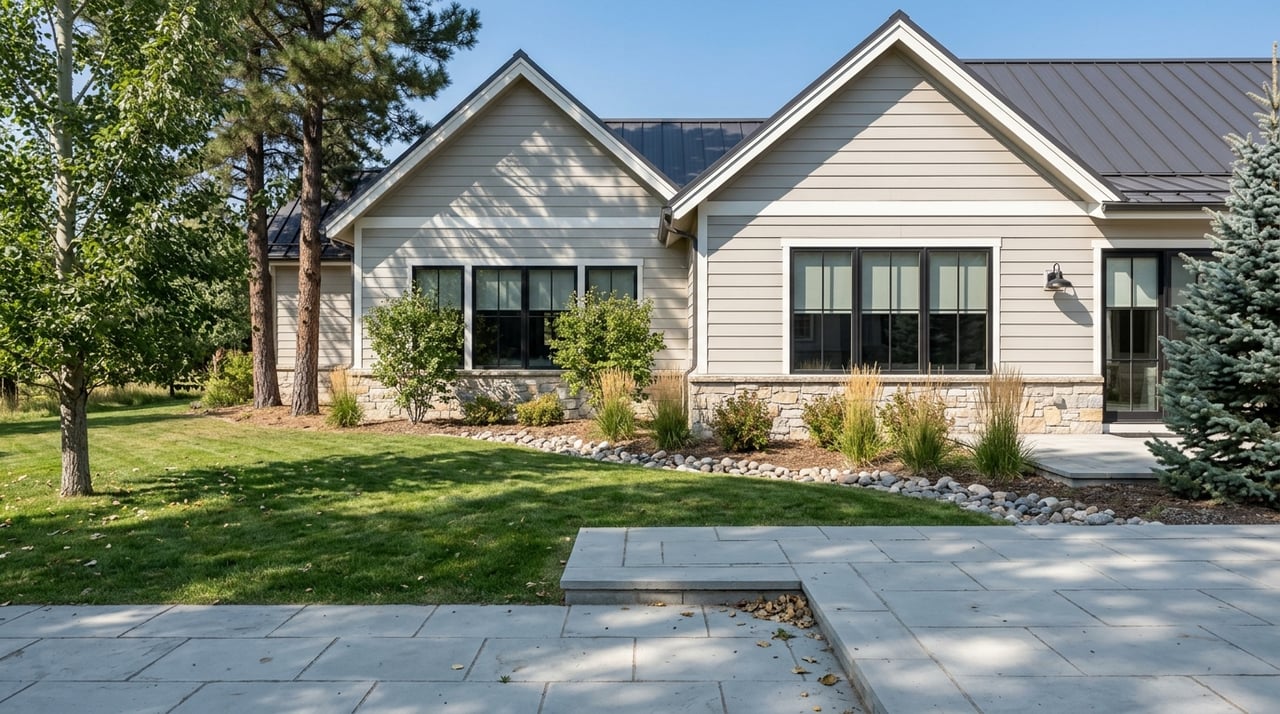
If you are considering a move to Three Forks, it helps to know that the housing stock is not identical to what you might find in newer suburban communities. The city’s growth policy says most homes are single-family residences built between 1980 and 2000, with a meaningful share of pre-1940 homes and limited multifamily options.
That mix can create variety in home style, lot size, and updates. You may find older homes closer to the historic core, along with newer single-family properties and options that appeal to buyers wanting more land.
Acreage Is Part of the Conversation
The broader Three Forks area is often attractive to buyers who want extra elbow room. The research report indicates that nearby subdivisions in the region include larger lots served by wells and septic systems, and that acreage is a visible part of the local market.
If you are exploring homes beyond the most centralized in-town areas, lot size may become a major factor in your search. That can be a benefit if you want space for outbuildings, views, privacy, or a more rural feel, but it also comes with added due diligence.
Smart Questions for Acreage Buyers
When you look at larger parcels or rural-residential properties near Three Forks, it is important to ask practical questions early. The city flags floodplain exposure and ongoing water-capacity work as relevant issues in the broader local context.
That means buyers should be prepared to investigate property-specific details before moving forward. A careful review can help you avoid surprises and better understand the long-term fit of a property.
Questions Worth Asking
- Is the home in or near a floodplain, and would flood insurance be required?
- What is the water source, and are there any known capacity or delivery considerations?
- Is the property served by septic, and if so, what is its age and condition?
- Who maintains the road, and how is access handled year-round?
- Are there HOA rules, covenants, or other restrictions that affect use of the property?
These are not reasons to rule out acreage. They are simply part of buying thoughtfully in a market where rural and semi-rural properties are common.
Is Three Forks Right for You?
Three Forks may be a strong fit if you want a town with local history, direct access to trails and rivers, and a slower pace than larger population centers. It can also make sense if you want to stay within regional reach of Bozeman while enjoying a smaller community setting.
At the same time, the town is best approached with clear expectations. Commute habits, vehicle dependence, infrastructure questions on some properties, and the modest scale of local amenities all matter when you decide whether the lifestyle matches your goals.
If you are considering a move to Three Forks or weighing how it compares with other Gallatin County communities, working with a local advisor can help you sort through property type, location, and long-term fit. When you are ready to talk through your options, Courtney King can help you navigate the search with local insight and a thoughtful, personalized approach.
FAQs
What is Three Forks, Montana known for as a place to live?
- Three Forks is known for its location near the confluence of the Jefferson, Madison, and Gallatin Rivers, its historic Main Street character, and its access to trails, parks, and the Missouri Headwaters area.
How far is Three Forks from Bozeman, Montana?
- The City of Three Forks places the town about 30 miles west of Bozeman along I-90.
What outdoor recreation is available near Three Forks, Montana?
- Outdoor activities near Three Forks include fishing, floating, kayaking, canoeing, hiking, biking, photography, and wildlife viewing, with access to Missouri Headwaters State Park and the Headwaters Trail System.
What kinds of homes are common in Three Forks, Montana?
- The city says most homes are single-family residences built between 1980 and 2000, with a notable share of pre-1940 housing and limited multifamily options.
What should buyers ask when looking at acreage near Three Forks, Montana?
- Buyers should ask about floodplain status, flood insurance, water source, septic systems, road maintenance, and any HOA rules or property restrictions.
Does Three Forks, Montana have local events and community amenities?
- Yes. The city highlights local events through its calendar, a summer farmers market, rodeo activities, parks, a community library, a local medical clinic, and other everyday services within town.