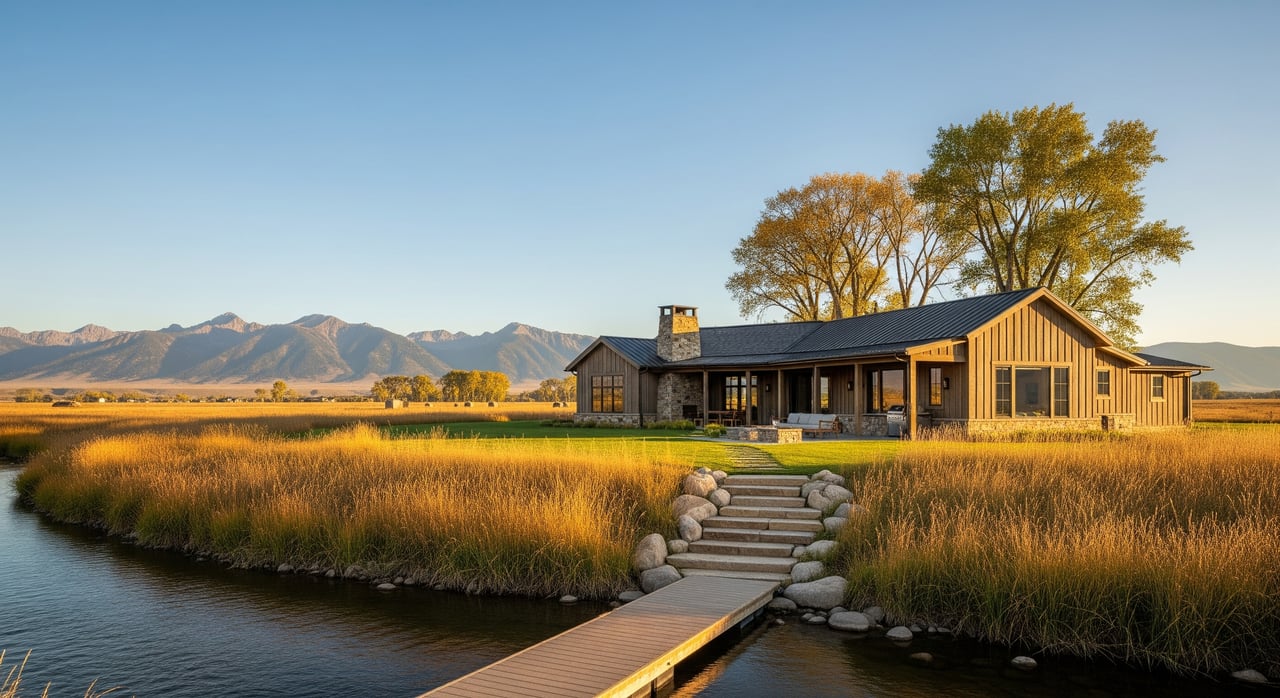
If you picture mornings on the Yellowstone River, evenings under big-sky stars, and weekends spent between trailheads and hot springs, Paradise Valley may already feel like home. You want room to breathe, real river access, and a ranch vibe without surprises. In this guide, you’ll learn how river access actually works, what to know about water rights and wells, how ranch properties differ from in-town homes, and which amenities support daily life around Livingston. Let’s dive in.
Paradise Valley at a glance
Paradise Valley stretches south from Livingston along the Yellowstone River toward Gardiner and the northern gateway to Yellowstone National Park. The landscape blends river meadows, irrigated fields, and foothills that rise into public lands, including the nearby Custer Gallatin National Forest. You’ll find everything from in-town lots to hobby farms, large working ranches, and private parcels bordering public access.
Livingston serves as the local hub for services, dining, galleries, and community events. For medical needs, you can find care at Livingston HealthCare. Regional recreation is a major draw, with world-class hiking, fishing, horseback riding, skiing, and quick access to Yellowstone National Park and the Custer Gallatin National Forest.
River access and recreation
The Yellowstone River is the valley’s heartbeat. Fly fishing, scenic floats, and wildlife viewing are part of everyday life here. Riverfront properties are prized for views and access, but it is important to understand the rules that shape how you and the public can use the river.
Know the Stream Access Law
Montana’s Stream Access Law allows public recreation in rivers and streams up to the ordinary high-water mark when accessed from a public site. That means many stretches of the Yellowstone are open for fishing and floating, but the dry land above the high-water mark remains private. For official guidance, fishing regulations, and access updates, start with Montana Fish, Wildlife & Parks.
Practical tips:
- Use signed public access points, bridge crossings, or state-managed sites to enter the river.
- Stay below the high-water mark unless you have explicit permission to cross private land.
- Check current FWP regulations before you fish, and confirm seasonal closures or restrictions.
Flows, safety, and flood season
River conditions change with spring runoff, summer storms, and winter ice. Before you float or wade, review real-time and historical flow data from the U.S. Geological Survey. If you are considering riverfront property, examine flood history and the mapped floodplain for the parcel. You can review designations on the FEMA Flood Insurance Rate Maps and confirm with local planning offices.
Water rights, wells, and irrigation
In Montana, surface water rights and groundwater rights are managed separately, and priority dates matter. On ranch and irrigated properties, water rights can add significant value, but they are not automatically included with the land. Ditches, pumps, and diversion structures may be shared or maintained by local ditch companies.
What to verify during due diligence:
- Whether irrigation rights are included in the sale and the priority date of each right.
- Any ditch company memberships, easements, and maintenance obligations.
- Well logs, production, and water quality for domestic use.
- Any planned changes to water use that may require state review.
For official records and permitting, consult the Montana Department of Natural Resources & Conservation for water rights, well permitting, and guidance on changes or transfers.
Ranch living realities
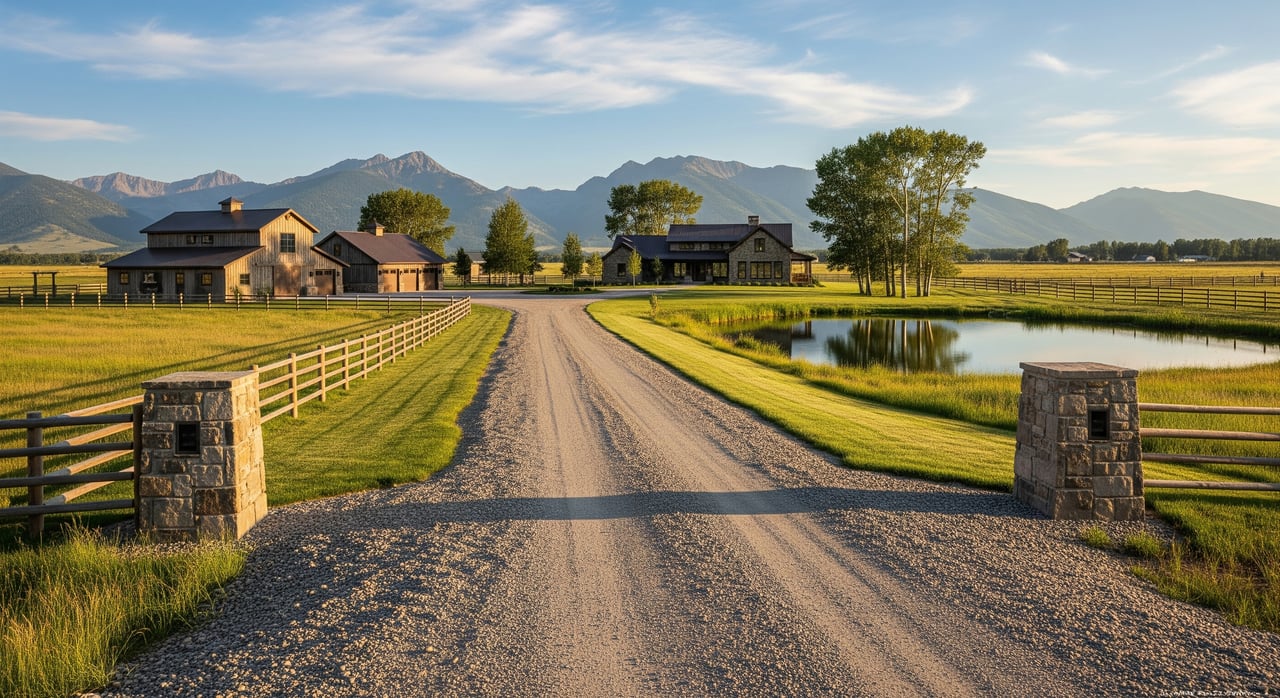
Paradise Valley offers a true ranch lifestyle, from 5 to 40 acre ranchettes to large working spreads. Rural parcels often rely on private wells, septic systems, and electrical service from regional utilities. Natural gas may be limited in some areas, and broadband can be variable.
Utilities and connectivity
Expect a mix of solutions. Many rural owners use satellite internet when wired broadband is not available. Cell coverage can vary widely by micro-location, so test service at the property and talk to neighbors where possible. Plan for maintenance of private roads, culverts, fencing, and irrigation infrastructure as part of your annual budget.
Wildlife, wildfire, and land stewardship
You will share the landscape with elk, deer, and occasionally bears. Secure attractants, protect livestock where appropriate, and follow local wildlife best practices. Wildfire is a seasonal risk in dry years, especially near timbered slopes. Creating defensible space, choosing ember-resistant materials, and reviewing insurance needs are smart steps for any rural home.
Conservation easements are common in the region to protect open space and agricultural character. Easements can limit future subdivision or development, which can influence both valuation and financing. Ask for all recorded documents and review them early.
Amenities and access
Daily life is balanced by easy outdoor access and practical services. Livingston offers restaurants, shops, galleries, groceries, and medical care through Livingston HealthCare. The valley features destination spots like Chico Hot Springs, public river access points, and trailheads into surrounding public lands. U.S. Highway 89 is the primary corridor through the valley. In winter, plan ahead for road conditions and travel time. Bozeman Yellowstone International Airport is the main commercial gateway for flights in and out of the region.
How to evaluate a property
Use this due diligence checklist to move forward with confidence:
- Title and restrictions
- Request a full title report for easements, recorded water rights, ditch company obligations, covenants, and any conservation easements.
- Boundaries and access
- Order a survey to confirm property lines, improvements, and access easements. Clarify private road maintenance agreements and winter access.
- Water and septic
- Review well logs, production, and water quality. Confirm whether irrigation rights transfer with the property, and document diversion points and infrastructure condition through the Montana DNRC.
- River and floodplain
- Check FEMA flood maps for floodplain status. Consider an elevation certificate and talk with your insurance provider about coverage.
- Land and environment
- Assess wildfire exposure, history of flooding, and any known environmental concerns. Walk fences, corrals, ditches, culverts, and roads to gauge maintenance needs.
- Recreation and public lands
- Verify nearby access to the Yellowstone River and trailheads. Learn the rules and seasons through Montana Fish, Wildlife & Parks and explore regional opportunities across the Custer Gallatin National Forest and Yellowstone National Park.
- Market and financing
- Rural and ranch properties may require specialty lenders and appraisers with local experience. Appraisals can be complex due to limited comparable sales, so plan extra time for underwriting.
Work with a local advisor
Buying or selling in Paradise Valley is about lifestyle and land as much as price. You want a partner who understands water rights, floodplains, and rural infrastructure, and who can market river and ranch properties to the right audience. With decades of local experience and the reach of a global luxury network, Courtney King pairs on-the-ground expertise with premium exposure to help you move with clarity and confidence.
If you are weighing river access, ranch potential, or the best location for your lifestyle, let’s talk through the details and next steps. Schedule a consultation today.
FAQs
What is Montana’s Stream Access Law in Paradise Valley?
- The law allows public recreation in rivers and streams up to the ordinary high-water mark when accessed from a public site; land above that mark is private. Review current guidance with Montana Fish, Wildlife & Parks.
How do I check if a Livingston or Paradise Valley property is in a floodplain?
- Start with the FEMA Flood Insurance Rate Maps and confirm with local planning staff. Consider an elevation certificate and discuss insurance requirements with your provider.
What should I confirm about water rights when buying a ranch near Livingston?
- Verify which irrigation rights transfer, priority dates, any ditch company memberships, and the condition of diversion infrastructure through the Montana DNRC.
How reliable is internet and cell service on rural parcels in Paradise Valley?
- Coverage varies by micro-location. Test service at the property, check local providers, and consider satellite options where wired broadband is unavailable.
Which amenities support daily life around Livingston and Paradise Valley?
- Livingston offers dining, shops, and medical care at Livingston HealthCare; the valley provides river access, trailheads, and proximity to Yellowstone National Park and the Custer Gallatin National Forest.